


Struggling to help baby nap longer than a frustrating 30-minute catnap? You're not alone. Here are the most effective ways to extend your baby's naps:
Quick Solutions to Help Baby Nap Longer:
As one exhausted parent shared: "I remember feeling like a failure with my first child, because I couldn't get her to nap longer than 37 minutes." This struggle is incredibly common. Infant sleep cycles last just 30-45 minutes, and babies often wake after completing only one cycle.
The good news is that most babies can learn to connect sleep cycles and nap for 1-2 hours. The key is understanding why short naps happen and using proven strategies to help them transition back to sleep.
I'm Gary Harutyunyan, and my own fatherhood journey led me to develop solutions using gentle, rhythmic soothing. I found that the right mix of environment, timing, and gentle sleep support can transform catnaps into restorative rest for the whole family.
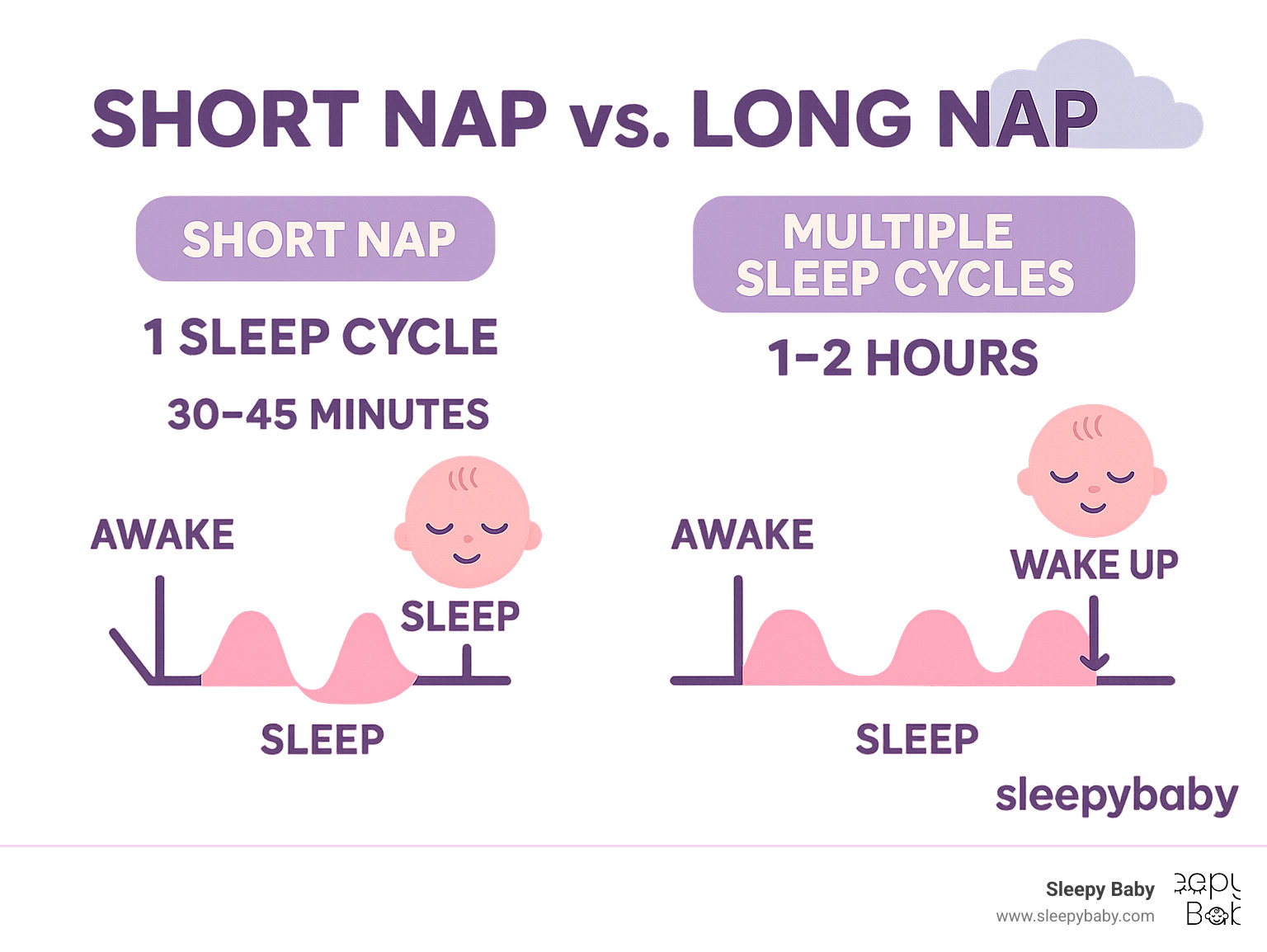
Does this sound familiar? You finally get your baby to nap, only for them to wake up 30 minutes later. Short naps are a common challenge, but they're usually fixable once you understand the cause.
The culprits often include overtiredness, undertiredness, sleep associations, hunger, an unoptimized sleep environment, or your baby's developmental stage. Sometimes you're also dealing with nap transitions or sleep regressions that temporarily throw everything off balance. Understanding these factors is your first step toward learning how to help baby nap longer. For more insight into sleep struggles, check out this helpful guide on why babies fight sleep.
Both being too tired and not tired enough can lead to short naps. An overtired baby has been awake too long, causing their body to release stress hormones like cortisol that fight sleep. This makes it hard to settle and stay asleep. If your baby wakes up cranky after 20-30 minutes, their wake windows are likely too long.
Conversely, an undertired baby hasn't built up enough sleep pressure to take a long nap, perhaps because their wake window was too short. They might struggle to fall asleep or wake up quickly because their body isn't ready for a long rest.
Watch for your baby's sleepy cues like staring off into space or gentle yawning. These are different from tired signals like fussiness or eye rubbing, which often mean you've missed the sweet spot. For detailed guidance on age-appropriate timing, explore this guide to newborn sleep schedules.
Baby sleep cycles are short, just 30-45 minutes. When your baby wakes after one sleep cycle, it often means they haven't learned to transition into the next one on their own. This is where sleep onset associations come in. If your baby needs rocking to sleep, feeding to sleep, or a pacifier to drift off, they'll likely need that same help when they stir between cycles.
It's disorienting for a baby to fall asleep in your arms and wake up alone in their crib. This waking after 30-45 minutes is often their way of asking for that familiar comfort. Their inability to self-soothe back to sleep keeps them stuck in the short nap cycle.
Sometimes the answer is simple: your baby needs something. Before trying complex strategies, check if basic needs are met. Hunger is a major nap disruptor, especially if babies haven't had full feedings. Snack feeding can lead to premature wake-ups, as can growth spurts.
Physical discomfort from gas, reflux, teething, or illness can also make quality sleep impossible. A quick comfort check can sometimes be all that's needed.
Newborn sleep patterns are naturally erratic and short as their circadian rhythms develop. For newborns, many short naps are completely normal.
Around 4 months (from their due date), babies develop more formal sleep cycles, which can temporarily disrupt sleep. Nap consolidation, when babies can link sleep cycles naturally, typically happens between 5-8 months. By 5-6 months, you can reasonably expect at least one nap of an hour or longer. By 6 months, the first two naps of the day should ideally last an hour or more.
Every baby develops differently, but understanding these progressions helps you set realistic expectations for when to actively help baby nap longer.
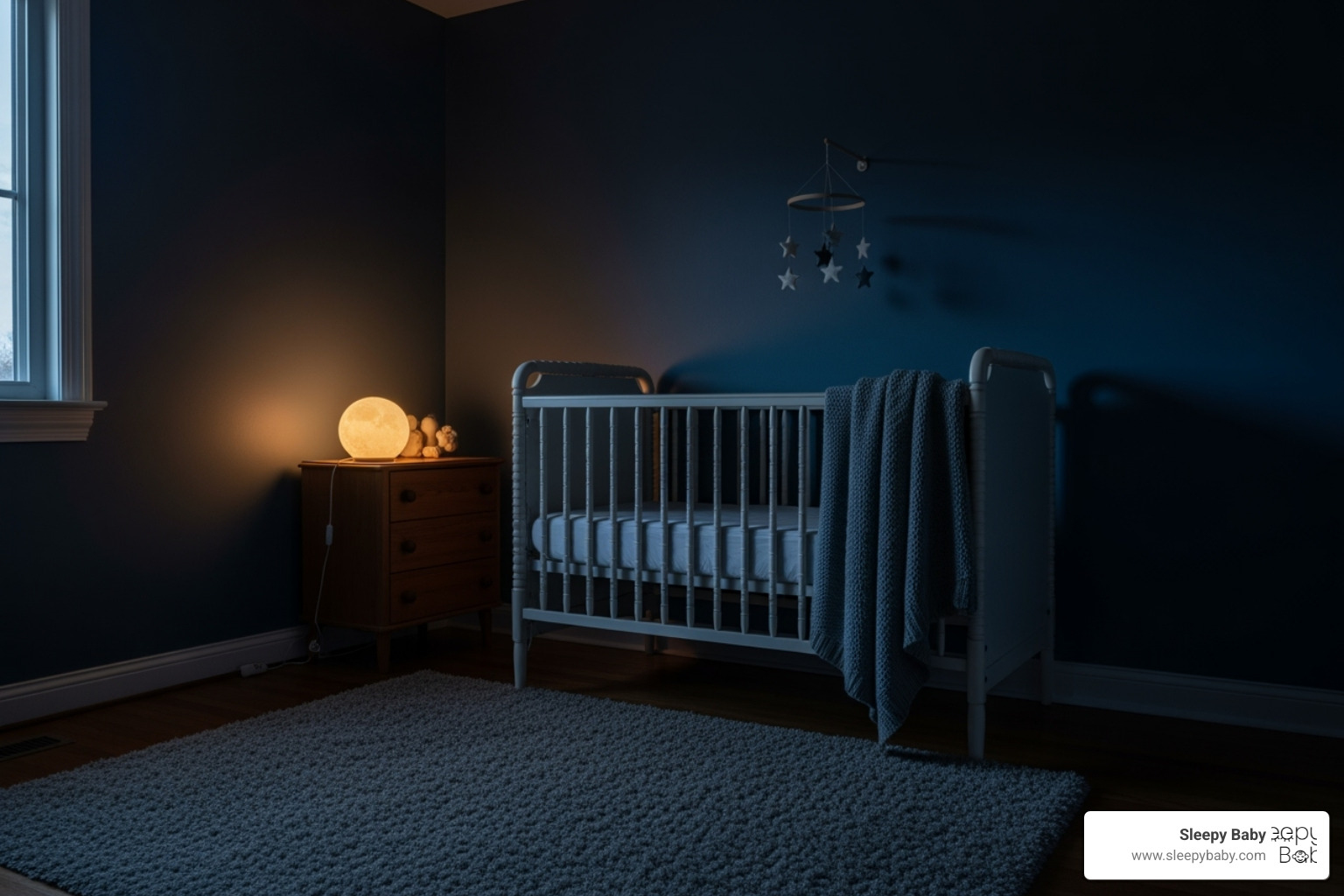
Now that we know the 'why' behind short naps, let's focus on proven strategies. These methods focus on the right conditions, timing, and gentle guidance toward independent sleep. Consistency is key; stick with these methods to see results.
Your baby's sleep space should be a sanctuary. A pitch-black room is essential, as light signals 'wake up' to a baby's brain. Use blackout curtains. Keep the room cool, between 68-72°F (20-22°C), and dress your baby appropriately.
Continuous white noise is a game-changer, mimicking the womb and masking household sounds that can jolt a baby awake. While some white noise machines can be unsafe due to excessive volume, modern safety-rated devices present white noise at safe, low-decibel levels. Our Sleepy Baby intelligent sleep aids combine gentle white noise with rhythmic patting that mimics a caregiver's touch. Some devices can even be safely placed on your baby's chest, delivering soothing sounds and motion that helps them transition between sleep cycles. For more details, check out The benefits of white noise machines.
Timing is half the battle for longer naps. Wake windows are the optimal periods your baby can stay awake. Too short, and they lack sleep pressure; too long, and stress hormones make sleep difficult.
Watch your baby, not just the clock. Younger babies do best when you follow their sleepy cues. As they get older (around 6-7 months), you can rely more on predictable schedules.
| Age Group | Recommended Wake Window | Nap Frequency | Typical Nap Lengths |
|---|---|---|---|
| Newborn (0-6 weeks) | 30-60 minutes | 6-8 naps | 20-45 minutes (often contact naps) |
| 7-15 weeks | 1-1.75 hours | 4-5 naps | 30-90 minutes |
| 4-5 months | 1.5-2.5 hours | 3-4 naps | 45-120 minutes (aim for at least one long) |
| 6-8 months | 2-3 hours | 2-3 naps | 60-120 minutes (first two should be long) |
| 9-12 months | 2.5-3.5 hours | 2 naps | 60-120 minutes |
A sleep log can help you spot patterns and fine-tune their schedule. The goal is always to put your baby down before they become overtired. For more specific guidance, especially for 4-month-olds, check out Tips for a 4-month-old's sleep schedule.
Once the environment and timing are right, you can use gentle techniques to encourage connecting sleep cycles.
For babies over 5-6 months who fall asleep independently, try the 'Crib Hour' technique. Leave your baby in their crib for a full hour from when they fell asleep, even if they wake early (as long as they aren't distressed). This gives them space to practice resettling.
Responsive soothing offers comfort without creating new sleep props. Pause for a few minutes to see if they resettle. If crying continues, offer gentle shushing or patting in the crib.
For newborns under 4 months, "saving the nap" by holding them back to sleep can prevent overtiredness, which is the priority at that age.
Rhythmic tapping devices can also be helpful, providing consistent, gentle motion to help babies transition between sleep cycles, especially those used to being rocked. For a deeper dive, explore The science behind nap extension.

The key to longer naps is teaching your baby independent sleep skills. When a baby can fall asleep on their own, they can resettle themselves between sleep cycles instead of crying for help. This is the game-changer that will help baby nap longer.
A simple, consistent 5-15 minute pre-nap routine signals that sleep is coming. The magic is in doing the same things in the same order every time. A great routine might include dimming the lights, speaking in a quiet voice, singing a lullaby, and putting on a swaddle (for non-rolling babies) or a sleep sack. Ensure your baby has had a full feeding before the routine begins to separate eating from sleeping.
The transformative goal is to put your baby down when they're drowsy but awake—sleepy, but aware enough to know they are in their crib. This is the foundation of independent sleep.
When they fuss, give them space to practice settling. Resist the urge to immediately scoop them up. You can try gradual withdrawal or simply step back to see what happens. Minimize your intervention while still being responsive. If they cry, offer verbal reassurance or light pats without picking them up. You're sending the message: "You're safe, and you can do this."
Our Sleepy Baby devices with rhythmic patting can be a great aid during this transition. They provide a comforting sensation that mimics your presence, helping your baby feel secure while learning this new skill. For more insights, check out A guide to decoding infant sleep habits.
When your baby masters falling asleep alone, they can connect their sleep cycles independently. When they naturally stir after 30-45 minutes, they use their self-soothing skills to drift back to sleep instead of crying out for you.
This is the secret to longer naps. This skill also reduces night wakings and builds their sleep confidence, creating a sustainable solution for the whole family. Better day sleep often leads to better night sleep, creating a positive feedback loop. If you're dealing with frequent night wakings, learn more about Why your 6-month-old keeps waking up and how daytime skills translate to nighttime success.
As a parent trying to help baby nap longer, you likely have many questions. Here are answers to the most common ones.
A 'short nap' or 'catnap' lasts for one sleep cycle, typically 30 to 45 minutes. While normal for newborns, by 5-6 months of age, naps should ideally start lengthening to 60-120 minutes, especially the first two naps of the day. The key sign of a problematic short nap is a baby who consistently wakes up fussy and still tired.
If your baby is over 6-8 months old and still only takes short, unrefreshing naps, it's time to address it. Also, consider if short naps are causing frequent night wakings or constant fussiness, which can signal a cycle of overtiredness. Your own well-being matters too; if the stress is impacting your mental health, it's a valid reason to seek support.
Always consult your pediatrician first to rule out medical issues like reflux or sleep apnea. For general guidance, resources from the American Academy of Pediatrics are invaluable. Once health concerns are cleared, a certified sleep consultant can offer personalized strategies to help baby nap longer.
It depends on your baby's age and your goals.
For newborns under 4 months, yes. 'Saving the nap' by holding them helps ensure they get enough sleep and prevents overtiredness. It's a necessary survival strategy in the early months.
However, for babies over 4-5 months, consistently saving naps can reinforce sleep associations and prevent them from learning to connect cycles on their own. For these older babies, it's more beneficial to focus on an optimal sleep environment and schedule that promotes independent sleep in the crib. Trying the 'Crib Hour' technique gives them the opportunity to practice resettling themselves.
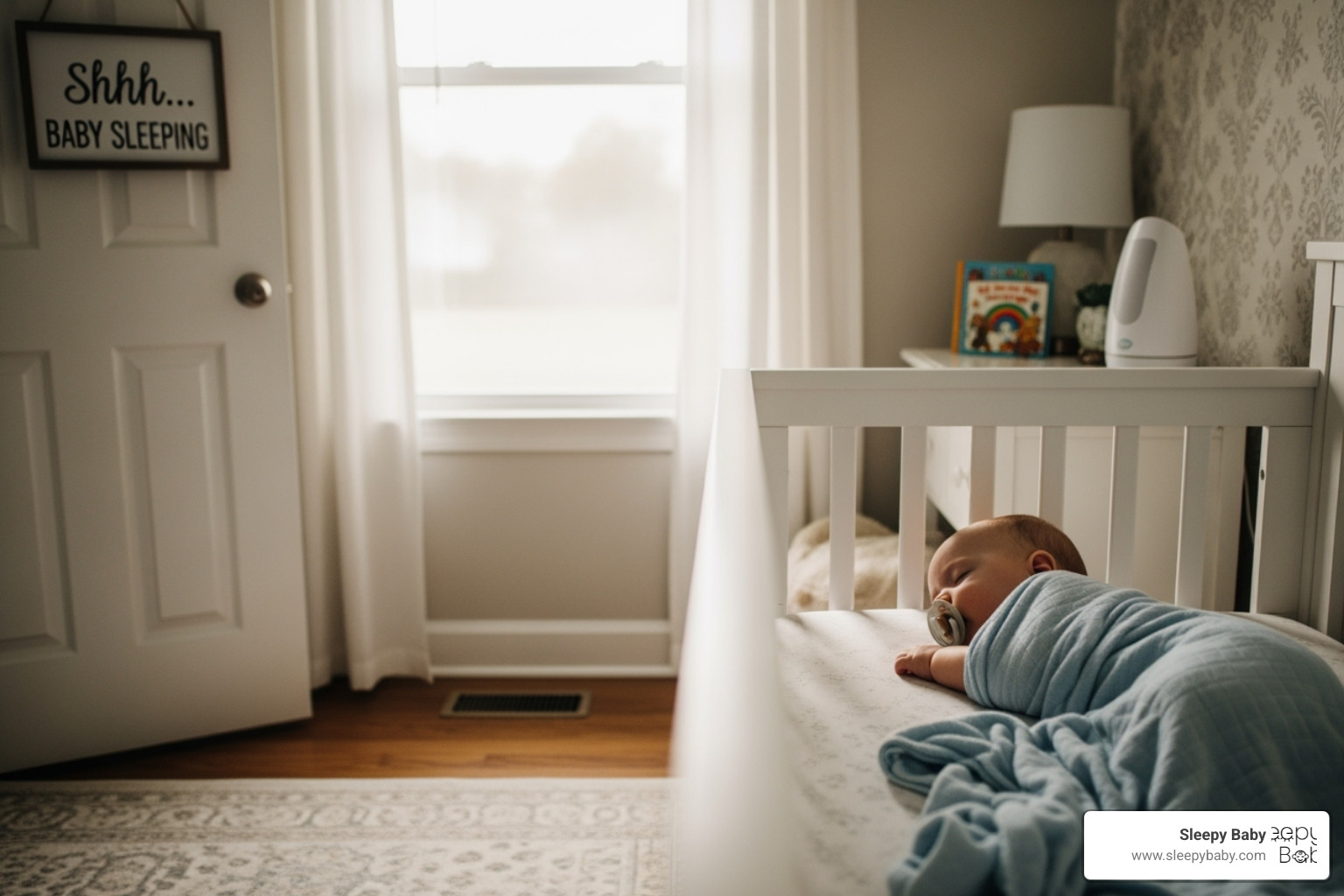
The journey to help baby nap longer is achievable. While 30-minute catnaps feel relentless, the right approach can lead to longer, restorative sleep. Every baby can sleep well; sometimes they just need our help to learn how.
The magic happens when you combine an optimized sleep environment, perfect timing with wake windows, and—most importantly—fostering independent sleep skills. When your baby learns to fall asleep on their own, they can connect sleep cycles without your help.
Consistency is your secret weapon. Even with setbacks like teething or regressions, having solid sleep foundations helps you bounce back faster.
At Sleepy Baby, we designed our intelligent sleep aids to support this journey. Our rhythmic patting devices provide a consistent, comforting presence that helps babies learn to self-soothe, giving you the freedom to step away. Our devices use safe, low-decibel white noise and gentle motion to create a secure environment for sleep.
Those precious nap hours give you space to recharge, so you can be the present, rested parent you want to be. Better sleep for everyone is closer than you think.
For comprehensive strategies to tackle all your baby sleep challenges, dive into The Ultimate Guide to Baby Sleep Solutions: No More Fights!.


