


How to soothe overtired baby situations can feel impossible when your little one is clearly exhausted but fighting sleep with every ounce of energy they have left. This frustrating paradox happens because overtired babies release stress hormones like cortisol and adrenaline, which actually make it harder for them to fall asleep.
Quick Solutions for Soothing an Overtired Baby:
The key is understanding that when babies miss their natural sleep window, their bodies go into a fight-or-flight mode. Research shows that babies who are overtired have higher cortisol levels, making relaxation nearly impossible without the right approach.
What makes this especially challenging? Overtired babies often show confusing signs - they might seem hyperactive or "wired" when they're actually desperate for sleep. They may also fall asleep very quickly (under 5 minutes) or take much longer than usual (over 45 minutes), both indicating they've passed their optimal sleep window.
I'm Gary Harutyunyan, and after struggling with my own newborn's sleep challenges, I developed solutions that focus on how to soothe overtired baby situations through gentle, rhythmic methods that work with your baby's natural calming responses. My experience as both a father and inventor has shown me that the right combination of sound and motion can break even the most stubborn overtired cycles.
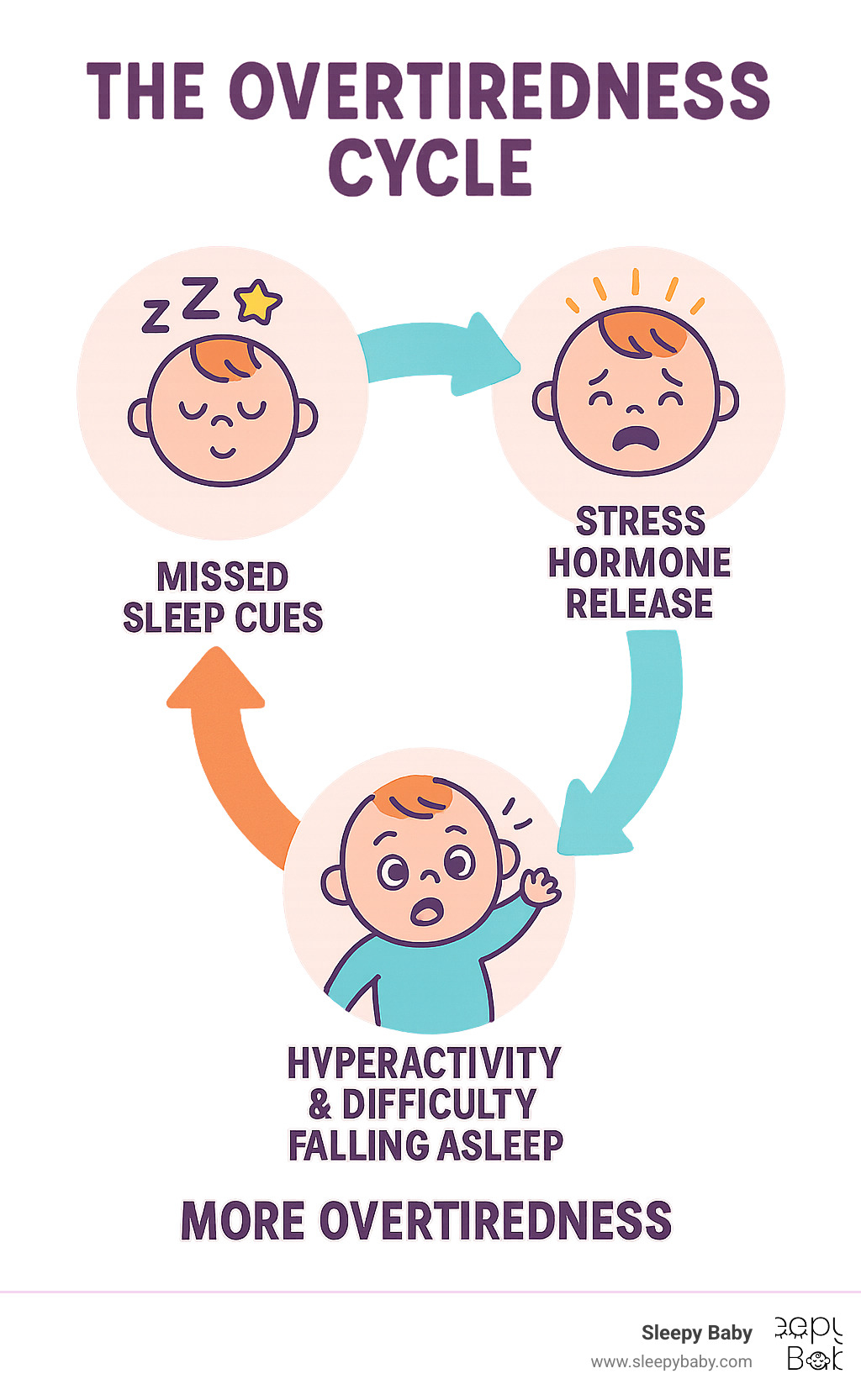
Picture this: your baby has been yawning and rubbing their eyes for the past ten minutes, clearly showing you they're tired. But instead of settling down when you try to put them to sleep, they suddenly become a tiny tornado of energy – crying, arching their back, and fighting every attempt at comfort. Welcome to the bewildering world of overtiredness, where exhausted babies act anything but sleepy.
This isn't your baby being difficult on purpose. There's actually fascinating science behind why how to soothe overtired baby situations feel so impossible, and understanding it can transform those frustrating bedtime battles.
When babies stay awake too long, their bodies perceive it as a stressor and trigger a fight-or-flight response. Their stress responses kick into high gear, releasing hormones like cortisol and adrenaline. These chemicals are designed to keep us alert, which is the opposite of what's needed for sleep.
This creates a state of paradoxical wakefulness: the more tired your baby is, the more "wired" they become, making it nearly impossible for them to relax. Their internal "off switch" gets jammed on. This biological response explains why your baby won't stop crying during these episodes. They aren't being difficult; their body is working against their need for sleep.
Several factors can lead to overtiredness. Being aware of them can help you prevent it.
It can be tricky to distinguish between an overtired and an undertired baby, as both may resist sleep. Knowing the difference is key.
Early sleepy cues like yawning, eye rubbing, or becoming quiet are your signal to begin a sleep routine immediately.

If you miss that window, an overtired baby becomes distressed. They may cry inconsolably, arch their back, or become hyperactive and "wired." In contrast, an undertired baby is usually calm and playful, simply not ready for sleep yet. The table below breaks down the key differences.
| Sign | Overtired Baby | Undertired Baby |
|---|---|---|
| Mood/Behavior | Fussy, irritable, inconsolable crying, arching back, hyperactive, "wired" | Content, playful, calm, curious, engaging |
| Response to Sleep | Fights sleep, resists settling, struggles to fall asleep, short naps, frequent waking | Resists sleep because they're not tired, may be happy playing in crib, takes long to settle, but usually calm |
| Energy Level | Appears to have a "second wind" of energy, but it's frantic and distressed | Has sustained, calm energy, ready to engage with surroundings |
| Falling Asleep | May crash quickly (under 5 min) or struggle for over 45 min | Takes a long time (over 45 min) to fall asleep because sleep pressure isn't built up |
| Sleep Quality | Short, fragmented naps; frequent night wakings; wakes up crying | May take short naps due to lack of sleep pressure; wakes up happy |
The key difference? Overtired babies are distressed and fighting their own exhaustion, while undertired babies are simply not ready for sleep yet. Recognizing this distinction will guide you toward the right approach for each situation.
When you've identified that your baby is overtired, how to soothe overtired baby situations requires a two-part approach: first calm their overwhelmed nervous system, then help them sleep. Those stress hormones are surging through their tiny body, so we need to gently counteract that biological storm with patience and the right techniques.
The goal is to recreate a peaceful, womb-like environment to calm your baby's overstimulated system.
Creating this calm sanctuary is the first step in telling your baby's body it's safe to relax. For more strategies, see our guide on How to calm a fussy newborn and finally get some sleep.
Add comforting sensory input that mimics the womb.

Consistent, loving touch can work wonders on a baby's nervous system.
Your emotional state directly impacts your baby. Babies can sense your stress, which can escalate their own.
Your calm is contagious. It's one of the most powerful tools you have. This is especially true when you're Calming colic chaos without losing your mind.
The real magic happens when we prevent overtiredness before it starts. Think of it like catching a pot before it boils over – much easier than cleaning up the mess afterward! While knowing how to soothe overtired baby situations is crucial, establishing preventive habits will save you countless hours of stress and tears (both yours and your baby's).
Learning your baby's unique sleep language is the key to prevention.
Age-Appropriate Wake Windows (General Guide):
These are just guidelines. Watch your baby for their specific needs.
A predictable sequence of calming activities signals to your baby's brain that it's time to wind down. As noted by experts, consistent routines help babies feel secure and prepare their bodies for sleep.
A simple bedtime routine could include a warm bath, pajamas, a story or song, and quiet cuddles. For naps, an abridged version like dimming the lights and humming a tune works well.
Consistency is what teaches your baby to anticipate sleep, which is a cornerstone of establishing newborn sleep patterns.
Recognizing common pitfalls can help you avoid the overtired cycle.
When you're dealing with an overtired baby at 2 AM, you need answers - not lengthy explanations that leave you more confused than before. Here are the questions we hear most often from exhausted parents, along with the straightforward guidance you're looking for.
There's no magic number, but it typically takes 20 to 45 minutes to settle an overtired baby, sometimes longer depending on how overtired they are.
The key is to focus on calming your baby first, rather than just getting them to sleep. Help their nervous system downshift from fight-or-flight mode. Once you see their body relax and their breathing slow, sleep will follow more easily. Patience and consistency are your best tools here.
Yes, an overtired baby will eventually "crash" from exhaustion, but this is not restorative sleep. This type of sleep is often short and fragmented, leading to frequent wakings.
This creates a negative sleep cycle: your baby wakes up still tired, making them more prone to becoming overtired again. Helping them settle gently before they crash leads to better quality sleep and helps break this cycle.
While most sleep issues are a normal part of development, trust your instincts. Consult your pediatrician if you notice:
Seeking professional help is a sign of responsible parenting.
Dealing with an overtired baby is challenging, but remember: it's a physiological response, not a reflection of your parenting. Your baby's developing nervous system is simply overwhelmed.
By understanding the science of overtiredness and using our four-step approach—creating a calm sanctuary, using motion and sound, offering rhythmic touch, and managing your own calm—you have a clear roadmap. Prevention is even more powerful. By learning sleep cues, respecting wake windows, and building consistent routines, you can work with your baby's natural rhythms.
For parents seeking extra support, tools like our Sleepy Baby patting device can be a game-changer. It provides consistent, hands-free rhythmic patting and safe white noise to help establish healthy sleep habits while giving you a much-needed break.
Be patient with yourself and your baby. With time and the right approach, those overtired tears will give way to sweet dreams.
Ready to transform your family's sleep? Learn more about The gentle dreamer: The baby patting device that transforms sleep. For more expert advice, explore our blog.


