


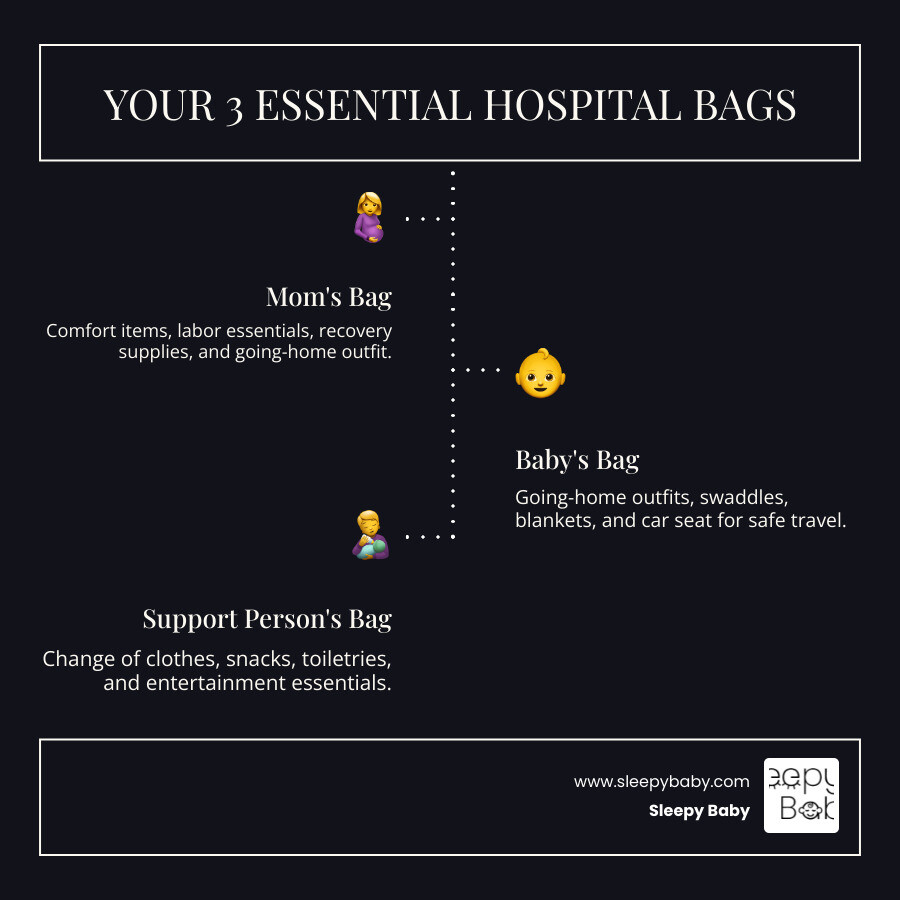
Must haves for mom's hospital bag include essential documents, comfort items for labor, nursing-friendly clothing, postpartum recovery supplies, and personal toiletries. While hospitals provide basic necessities like gowns and mesh underwear, bringing your own items ensures maximum comfort during this life-changing experience.
Essential Must-Haves for Mom's Hospital Bag:
As one expectant mother shared in our research: "Having a baby—especially your first baby—can be a confusing time. You've already had to buy a ton of stuff, create a nursery, and prepare for big changes." That's exactly why having a well-packed hospital bag matters so much.
The ideal packing timeline is between 35-38 weeks of pregnancy. For high-risk pregnancies, doctors often recommend packing as early as 35 weeks. Most moms stay 1-2 days for vaginal births or 3-4 days for C-sections, so plan accordingly.
While hospitals provide the basics, your personal comfort items make all the difference. Think of it as creating a home away from home during one of the most important moments of your life.
I'm Gary Harutyunyan, and after experiencing the challenges of new parenthood firsthand, I've dedicated myself to helping families prepare for and steer those crucial early days. Through my research into must haves for mom's hospital bag and creating solutions for infant sleep, I understand how proper preparation sets the foundation for a smoother transition into parenthood.
Picture this: you're in labor, contractions are getting stronger, and you arrive at the hospital only to realize you forgot your insurance card. Talk about adding unnecessary stress to an already intense moment! That's exactly why these must haves for mom's hospital bag deserve a special category all their own.
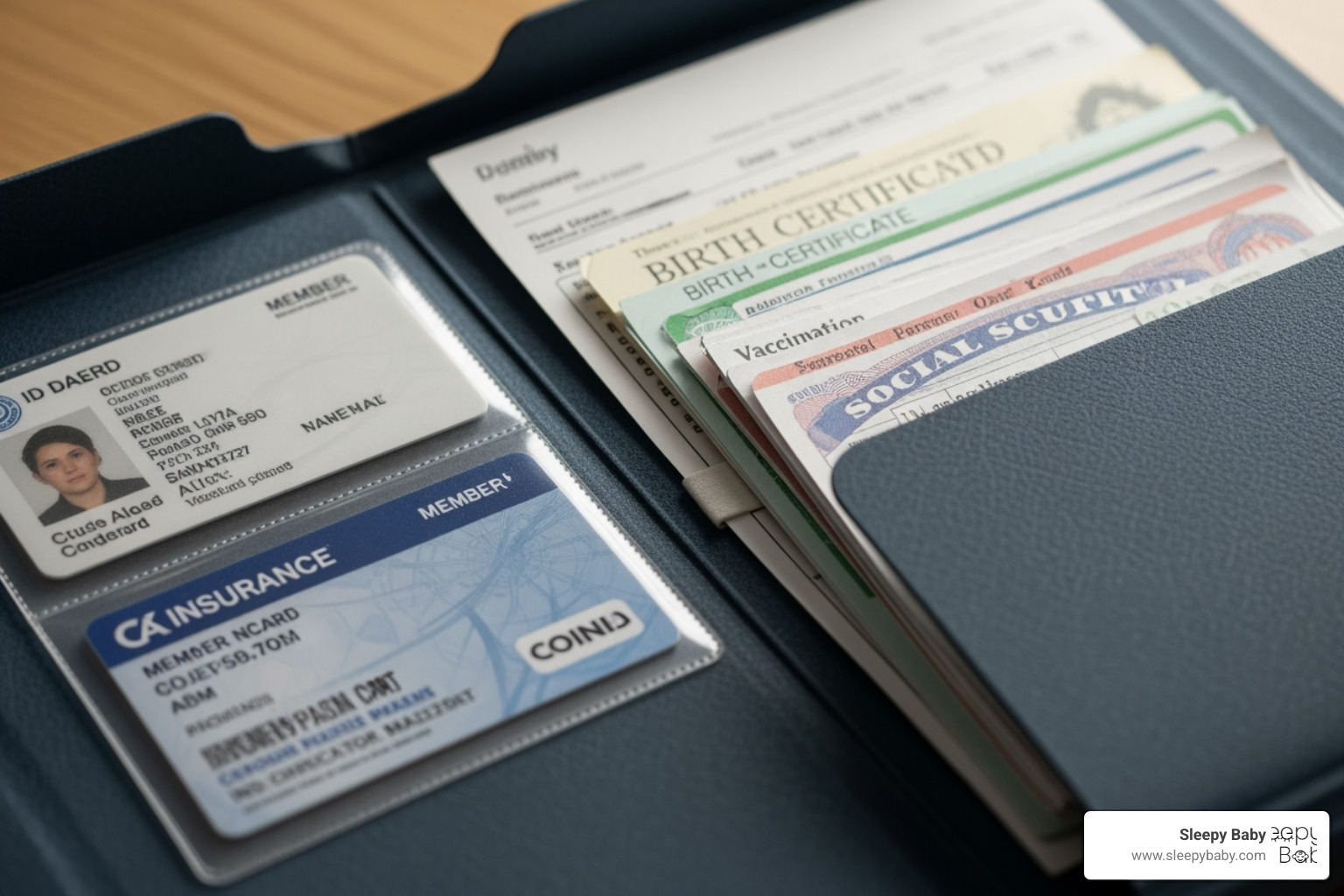
Think of these items as your "VIP pass" to a smooth hospital experience. While you can always make do without your favorite pillow, there's no working around missing documentation when you're trying to check in.
Your photo ID and insurance card are the absolute basics—no hospital will admit you without proper identification and insurance verification. Even if you've pre-registered (which we strongly recommend!), having these documents readily accessible prevents any delays during what might already be a rushed arrival.
Those hospital pre-registration forms you filled out weeks ago? Don't assume they're safely tucked away in the hospital's system. Bringing your copies means you won't spend precious energy filling out paperwork between contractions. Trust me, your future laboring self will thank you for this foresight.
Your birth plan copies deserve special mention here. You've likely spent considerable time crafting your preferences for labor, delivery, and those first precious moments with your baby. Having multiple copies ensures your entire medical team—from your doctor to the nurses—stays informed about your wishes, even during shift changes.
Don't forget your pediatrician's contact information. Your little one will need medical care within hours of birth, and having your chosen pediatrician's details ready helps the hospital coordinate seamlessly with your baby's ongoing care.
If you've decided to bank cord blood, your cord blood collection kit is absolutely time-sensitive. This isn't something you can retrieve later—it needs to be available the moment your baby arrives.
Finally, and perhaps most critically, ensure your car seat is properly installed in your vehicle before you even head to the hospital. No hospital will discharge you and your newborn without seeing a correctly installed infant car seat. When to pack your bag is important, but having your car seat ready is non-negotiable for that magical ride home with your new family member.
Keep all these documents in one organized folder or envelope—easily accessible but secure. Your peace of mind during labor starts with knowing these essentials are handled.
This section covers mom's comfort and care during labor, delivery, and recovery. Based on countless "wish I had known" stories, we've compiled the must haves for mom's hospital bag that truly make a difference.
Labor is a marathon, and the right comfort items can transform your experience from surviving to feeling supported.
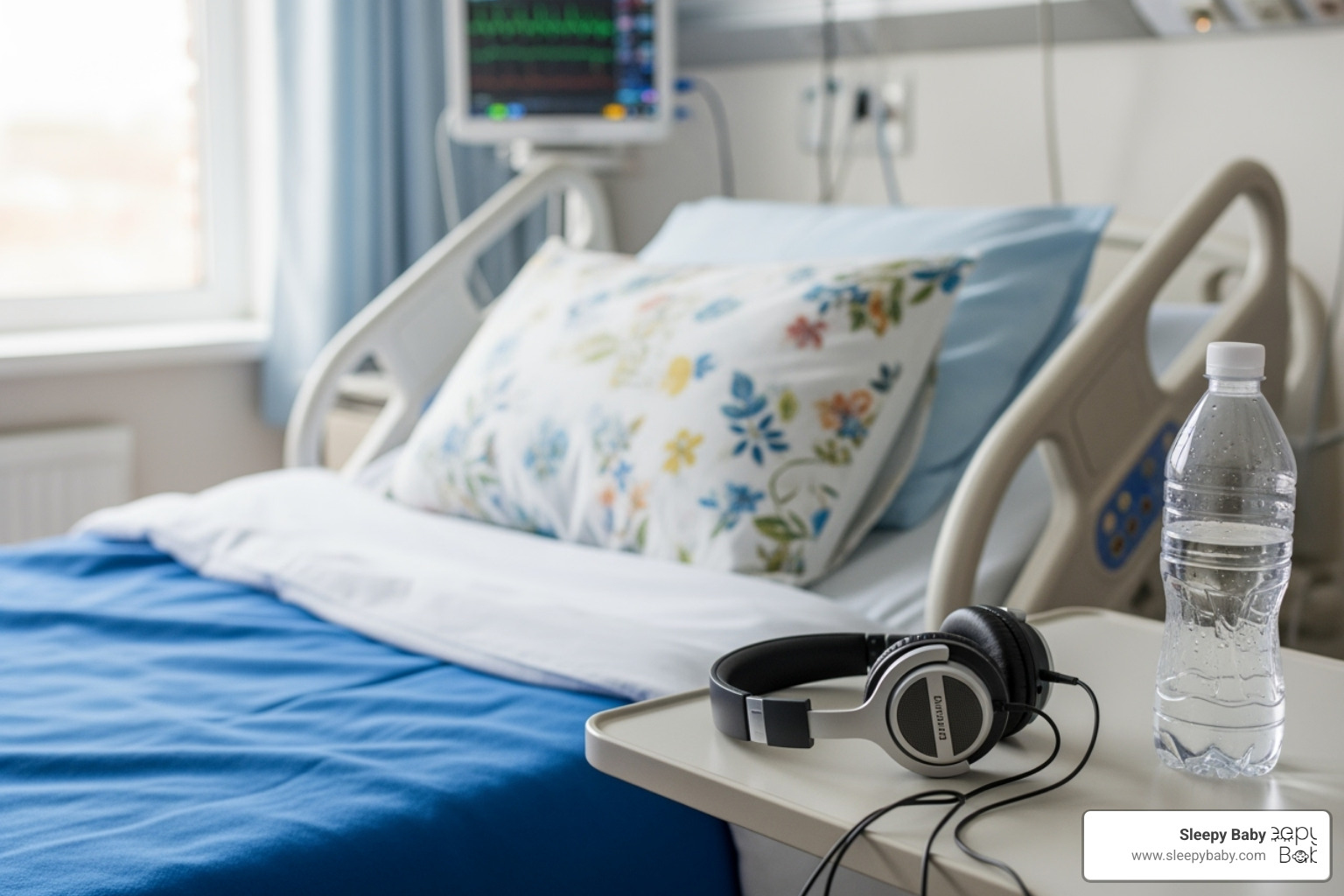
Your own pillow is a game-changer. Hospital pillows are notoriously thin, so bring your favorite from home in a distinctive pillowcase. The familiar scent and comfort can be incredibly soothing.
A versatile, sweat-wicking headband keeps hair off your face during labor. A silk scrunchie also works well, keeping hair neat for first photos without leaving creases.
Breathing techniques and stress cause dry mouth, so lip balm and sugar-free dry-mouth drops are lifesavers. Lanolin, which you'll want for nursing, also works as a lip balm.
An extra-long phone charger (10 feet minimum) is essential, as hospital outlets are rarely convenient. Pair this with a reliable portable power bank so your phone is always ready for updates and photos.
Wireless rechargeable earbuds create a peaceful bubble. Whether you listen to a labor playlist, podcast, or meditation, good audio is grounding. A small Bluetooth speaker can also set the mood in your room.
Massage oil can be a godsend for back labor, allowing your partner to provide relief. Your own water bottle with a straw keeps you hydrated without needing to sit up.
An eye mask helps you rest when you get the chance. Hospital rooms are never truly dark, with nurses checking in and machines glowing.
One item consistently tops the "wish I had packed this" list. Check out our article on The Number One Most Missed Item When Packing Your Hospital Bag for Birth: A Game-Changer for Your Experience before you finalize your bag.
While hospitals provide gowns, bringing your own comfortable clothing helps you feel more like yourself.
A comfortable robe is versatile. It's perfect for skin-to-skin contact, provides modesty for walking the halls, and offers warmth during post-delivery chills. A lightweight cardigan is a good alternative.
Front-opening nightgowns are a blessing for breastfeeding, offering easy access and more comfort than hospital gowns.
Nursing bras are essential, whether you breastfeed or not. After delivery, your breasts will be full and tender, and nursing bras provide needed support and comfort.
Nursing pads prevent unexpected leaks as your body produces colostrum and milk.
For underwear, low-rise postpartum underwear for C-section recovery is crucial if you're having a planned C-section, as it won't irritate your incision. Some moms prefer disposable adult diapers for ultimate comfort and security.
Grippy socks provide warmth and traction on slippery hospital floors. Bring your own for a better fit. Pair them with easy slippers for walking around your room.
Pack flip-flops for the shower for hygiene peace of mind.
For your loose, dark-colored going-home outfit, remember your body will still look about five months pregnant. Pack forgiving maternity clothes or sweats. Flat shoes are a must.
Here are the 3 essential clothing types to prioritize:
The first few days are about healing and bonding. Your own personal care items can make you feel more like yourself.
A smart travel kit with toiletries makes that first post-delivery shower feel luxurious. Pack travel-sized versions of your favorite products; familiar scents are incredibly comforting.
Your toothbrush, toothpaste, and deodorant are obvious, but you'll feel so much better after using them. Hair ties and a hairbrush help you feel put-together again.
Face wash and a cooling facial mist can feel like heaven. Makeup remover wipes are great for a quick cleanse.
The hospital provides a peri bottle, but many moms prefer bringing their own for better comfort and aim. It makes bathroom visits much more manageable.
Nipple cream like lanolin is crucial if you plan to breastfeed. It also works as an excellent lip balm!
Consider a best-selling postpartum recovery kit with items like witch hazel pads and cooling sprays to help with discomfort.
Bring your own heavy-duty maternity pads. Your preferred brand can provide extra confidence and comfort.
An electric heat pad can be a lifesaver for postpartum cramping. Check hospital policy, but bringing your own ensures you have it if needed.
As you prepare, having support resources is key. Our guide on Connecting with Baby Care: Essential Contacts You Need helps you build that network before baby arrives.
Your little one is about to make their grand entrance into the world! While hospitals are well-stocked with newborn essentials like diapers, wipes, and basic blankets, there's something special about having your own carefully chosen items for those first precious moments and that all-important journey home.
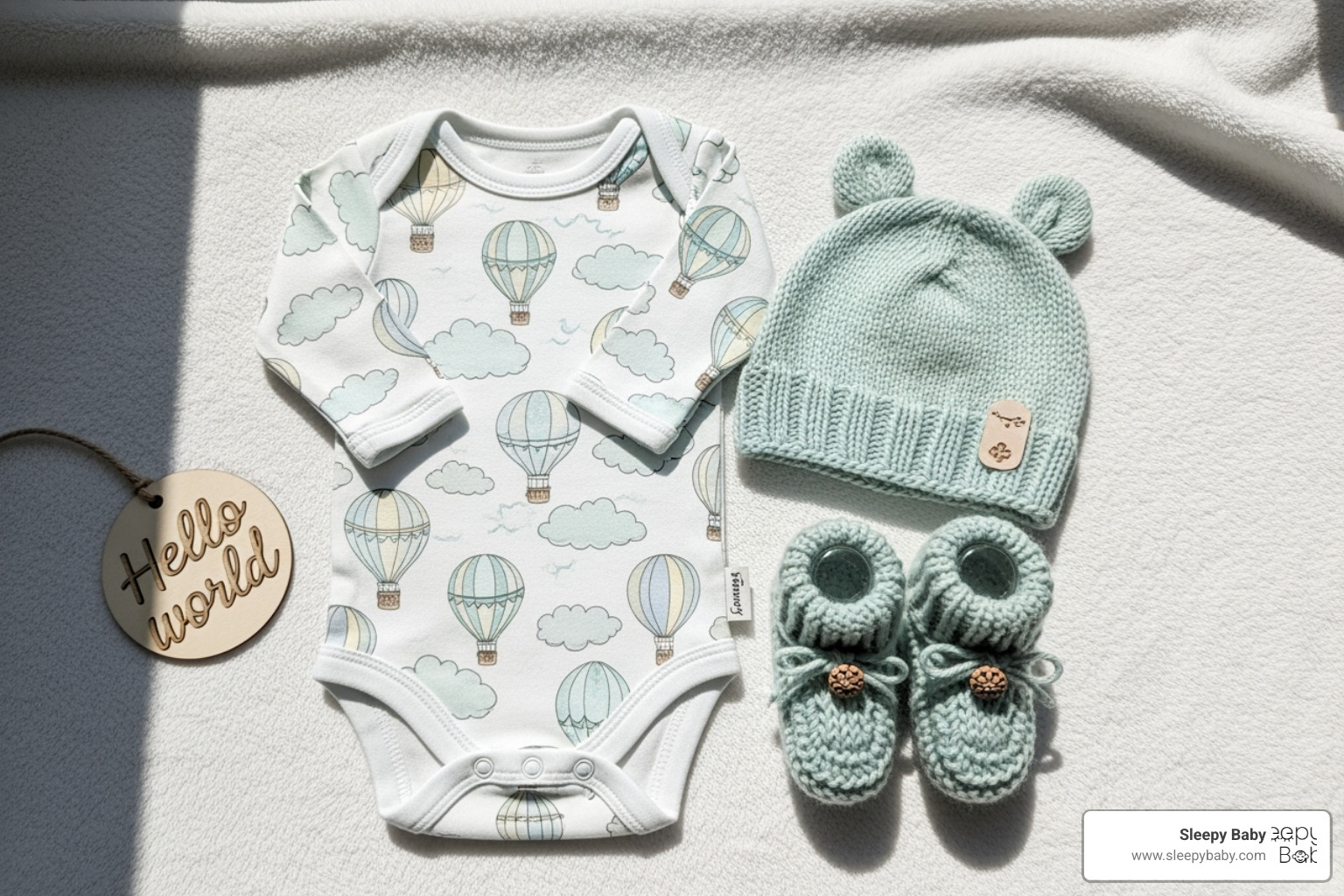
Going-home outfits are perhaps the most exciting items to pack—these are for those adorable first photos that you'll treasure forever! Here's a pro tip from experienced parents: pack both newborn and 0-3 month sizes. Babies arrive in all shapes and sizes, and we've heard countless stories of parents scrambling to send someone out for larger clothes because their little one arrived bigger than expected. A cozy one-piece footie pajama is always a safe and snug choice for that first ride home.
Your baby blanket will become one of their first comfort items. While hospitals provide standard swaddle blankets, having a soft, warm blanket of your own creates a beautiful keepsake for those first cuddles and the journey home. It's amazing how something so simple can feel so meaningful in those first moments of parenthood.
Swaddles deserve special mention here. Hospitals typically use traditional receiving blankets, but if you've practiced with Velcro swaddles at home, bringing one or two can be a game-changer. They're significantly easier to use than traditional hospital blankets, especially when you're still getting the hang of this whole parenting thing!
Don't forget the tiny details that make a big difference. Baby mittens are essential because newborns often have surprisingly long nails and can easily scratch their delicate faces. Baby socks or booties keep those precious little feet warm and cozy. Burp cloths are absolute lifesavers—babies are masters of spit-up, and having a few on hand can save your clothes from unexpected messes during those first feedings.
Of course, your car seat remains the most critical item for your baby's safe departure from the hospital. We mentioned this in our non-negotiables section, but it truly cannot be overstated—hospitals will not let you leave without a properly installed car seat.
As you're preparing for your baby's arrival, you might find our guide From Onesies to Cribs: Your Complete Baby Registry Checklist helpful for ensuring you have everything you need beyond the hospital stay.
Looking ahead to those first weeks at home, it's worth considering portable sleep aids, rhythmic tapping devices, and safe white noise machines. While your baby won't need these immediately in the hospital, having them ready for when you get home can be invaluable. At Sleepy Baby, we understand that a calm baby means more rested parents.
Our portable, intelligent sleep aids feature rhythmic patting and white noise to promote better, independent sleep. What makes them special is how they mimic a caregiver's comforting touch, offering hands-free, customizable soothing that can be a true game-changer during those first challenging weeks.
While some white noise machines can be unsafe, modern safety-rated devices present white noise at safe, low-decibel levels, often designed to be placed on the baby's chest for a comforting, womb-like experience. The benefits of rhythmic tapping devices are immense—they provide gentle, consistent sensations that can calm even the fussiest newborn, giving you those precious moments to rest and recover.
Your partner or support person will be your rock during this incredible journey, and honestly, their comfort matters just as much as yours! They'll likely be camping out on a not-so-comfortable hospital couch, running on adrenaline and maybe very little sleep, so let's make sure they're prepared too.
A change of clothes is absolutely essential—pack at least one or two comfortable outfits. Labor can stretch on for hours (sometimes days!), and there's nothing quite like slipping into fresh clothes after a long night of supporting you through contractions. Trust me, they'll thank you for thinking ahead.
Basic toiletries might seem obvious, but they're easily forgotten in all the excitement. A small bag with a toothbrush, toothpaste, deodorant, and any essential medications will help your partner feel human again. That first shower after witnessing the miracle of birth? Pure bliss.
Here's something many couples don't think about: snacks and drinks. Hospital cafeterias aren't always open, and vending machine options can be pretty grim. Pack plenty of non-perishable snacks like granola bars, nuts, or crackers, along with a reusable water bottle. This is especially important if your partner has dietary restrictions or needs to maintain steady blood sugar levels.
The practical stuff matters too. Their phone and charger will be working overtime—capturing those first precious moments, updating excited grandparents, and maybe timing contractions. An extra-long charging cable is just as crucial for them as it is for you, since hospital outlets seem to be located in the most inconvenient spots imaginable.
If your partner plans to stay overnight (and most do!), a pillow and blanket from home can transform that uncomfortable hospital furniture into something slightly more bearable. Hospital chairs weren't designed for extended stays, but a familiar pillow can make all the difference.
Labor involves a lot of waiting—beautiful, anticipation-filled waiting, but waiting nonetheless. Entertainment like a book, tablet, or even a handheld gaming device can help pass those quieter moments. One dad in our research actually preferred bringing physical books to avoid too much screen time and maintain a peaceful atmosphere in the room.
Finally, don't forget some cash for vending machines. Small bills and quarters might seem old-school, but they're lifesavers for those late-night cravings or when you suddenly realize you forgot something essential. Sometimes the simplest solutions are the best ones!
Let's be honest—preparing for your first baby can feel overwhelming! Between setting up the nursery, attending appointments, and trying to wrap your head around the fact that you're about to become a parent, packing your hospital bag might feel like just another item on an endless to-do list. But here's the thing: having answers to these common questions can make the whole process feel much more manageable.
The ideal time to pack your hospital bag is between 35 and 38 weeks of pregnancy. Think of it this way—you want everything ready to go well before you hit that "any day now" phase where you might be too uncomfortable to bend over and organize everything.
If you have a high-risk pregnancy, your doctor may recommend packing earlier, sometimes around 32-35 weeks. Don't worry if this feels early—it's actually a relief to have one less thing on your mind! Plus, there's something oddly satisfying about having that bag sitting by the door, ready for the trip.
One mom from our research put it perfectly: "I packed my bag at 36 weeks and felt so much more relaxed knowing it was done. When my water broke at 38 weeks during dinner, we just grabbed the bag and went!"
Here's where expectations can meet reality in interesting ways! Hospitals are well-equipped with the basics, but "basic" is the key word here.
For you, hospitals typically provide those classic hospital gowns (you know the ones—they tie in the back and aren't exactly fashion statements), basic grippy socks that might feel thicker than you'd prefer, mesh underwear that many moms actually fall in love with for their surprising comfort, large sanitary pads, and a peri bottle for postpartum care.
For your baby, you'll get diapers, wipes, and basic swaddle blankets during your stay. The hospital has everything your little one needs medically, but bringing a few special items makes those first moments feel more personal.
The honest truth? While these hospital supplies cover all the essentials, bringing your own must haves for mom's hospital bag often provides significantly more comfort and familiarity. It's like the difference between staying at a budget hotel versus bringing your favorite pillow—both work, but one just feels better.
Yes, a planned C-section does require some different considerations, and it's all about comfort and recovery time.
You'll have a longer stay—typically three to four days instead of the one to two days for vaginal delivery. This means packing extra changes of clothing, more toiletries, and maybe an extra book or two for entertainment. Your support person will appreciate having more snacks and comfort items too!
The biggest game-changer is your underwear choice. You'll want either high-waisted or low-rise C-section-friendly underwear that won't irritate your incision. Many moms swear by underwear specifically designed for C-section recovery—it's one of those small details that makes a huge difference in your comfort level.
Pack extra-loose clothing for both your stay and going home. Anything tight around your abdomen will be uncomfortable, so think flowy dresses, loose pajamas, and comfortable robes. Your pre-pregnancy jeans will definitely have to wait a bit longer!
A small pillow or cushion can be incredibly helpful to hold against your incision when you cough, laugh, or need to move around. It provides support and can significantly reduce discomfort during those first few days of recovery.
Take a deep breath—you've done the hard work of preparation! Packing your hospital bag might seem like just another item on your endless to-do list, but it's actually so much more than that. It's your way of taking control during a time when so many things feel uncertain. It's how you ensure comfort during one of the most intense experiences of your life. And most importantly, it's building the confidence you'll carry with you into those first precious moments as a new parent.
By thoughtfully selecting these must haves for mom's hospital bag, you're doing more than just stuffing a duffel bag with random items. You're creating a little bubble of familiarity in an unfamiliar place. You're making sure that when contractions are intense, you have your own pillow to rest on. When you're ready for that first post-delivery shower, you'll have your favorite shampoo waiting. When your baby arrives and you're figuring out breastfeeding, you'll have the nipple cream that can make all the difference.
Preparation like this sets the foundation for everything that comes next. Those early days of parenthood can feel overwhelming—trust me, I've been there. Between the sleep deprivation, the endless diaper changes, and figuring out what every single cry means, having one less thing to worry about makes a real difference.
That's exactly why we created Sleepy Baby. After experiencing how challenging those early weeks can be, I became passionate about supporting families through this incredible but exhausting journey. Our portable, intelligent sleep aids don't just play white noise—they mimic the rhythmic patting and comforting touch that babies crave, offering you hands-free soothing when you desperately need a break.
We know that while some white noise machines can be unsafe, our modern safety-rated devices present white noise at safe, low-decibel levels. The rhythmic tapping devices we've developed provide that gentle, consistent sensation that can calm even the fussiest newborn, giving you the postpartum support you'll need in those crucial first weeks.
Preparation is your superpower, but flexibility is your secret weapon. You might use every single item in your hospital bag, or you might find that all you really needed was that one perfect pillow from home. Either way is perfectly fine—you're ready for whatever comes your way.
You've got this, mama. From all of us at Sleepy Baby, we're cheering you on and here to support you every step of the way.
Explore our blog for more tips on navigating early parenthood


