


Does jaundice make babies sleepy? Yes, it does. High bilirubin levels can make your baby excessively sleepy, lethargic, and difficult to wake for feedings. Here's what you need to know:
Quick Answer:
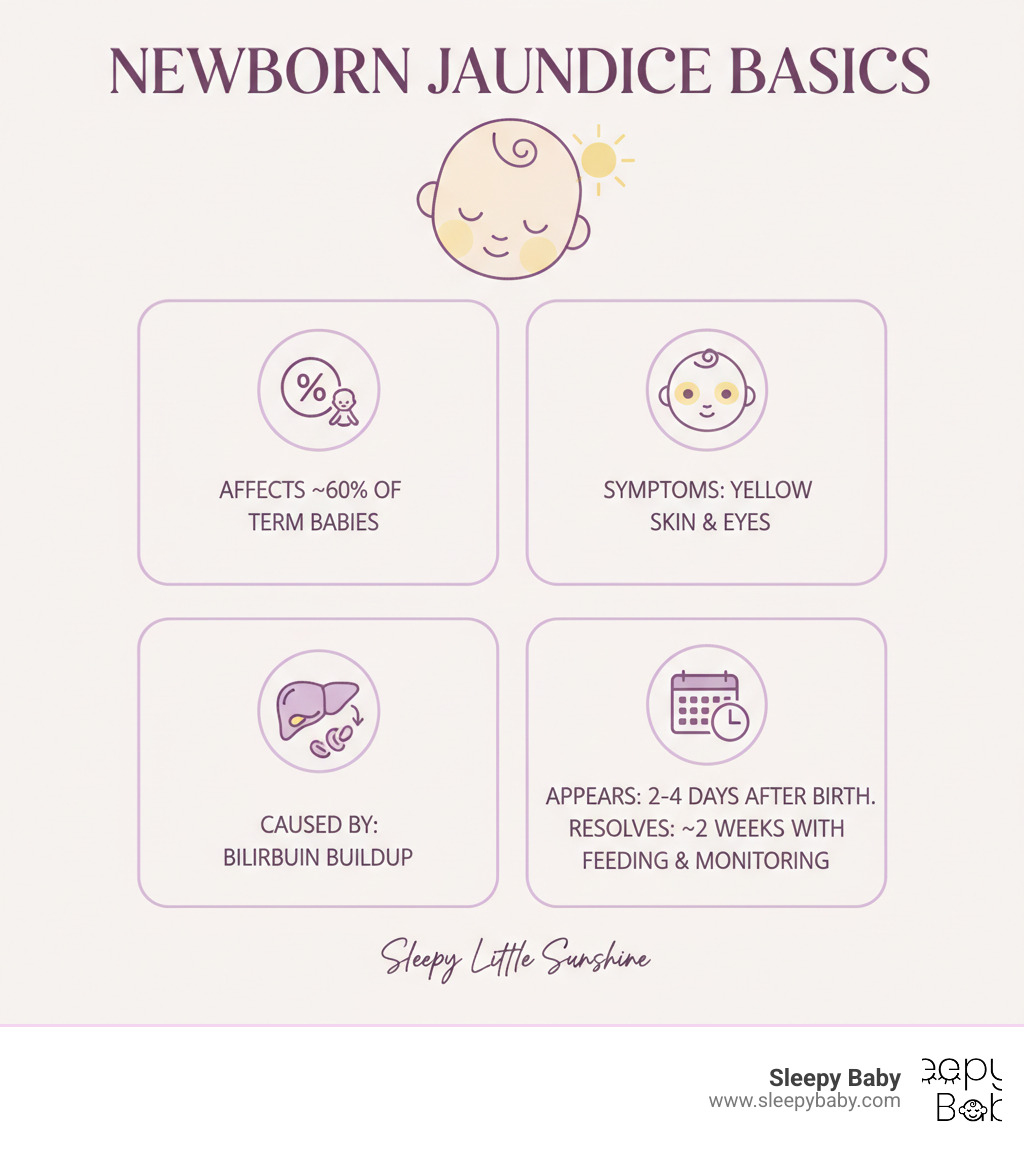
If you'venoticed your newborn's skin has a yellow tint and they seem unusually drowsy, you're not imagining things. Jaundice affects up to 60% of full-term babies and 80% of premature babies in their first week of life. While most cases are harmless, understanding the link between jaundice and sleepiness is crucial.
The yellowing happens when bilirubin, a substance from the breakdown of red blood cells, builds up faster than their immature liver can process it. This buildup can make your baby significantly more tired and less interested in feeding, which can ironically make the jaundice worse.
As a father who has steerd newborn sleep struggles, I understand how concerning it is when does jaundice make babies sleepy becomes your reality. It's critical to recognize when excessive sleepiness signals a need for medical attention.
Find more about does jaundice make babies sleepy:
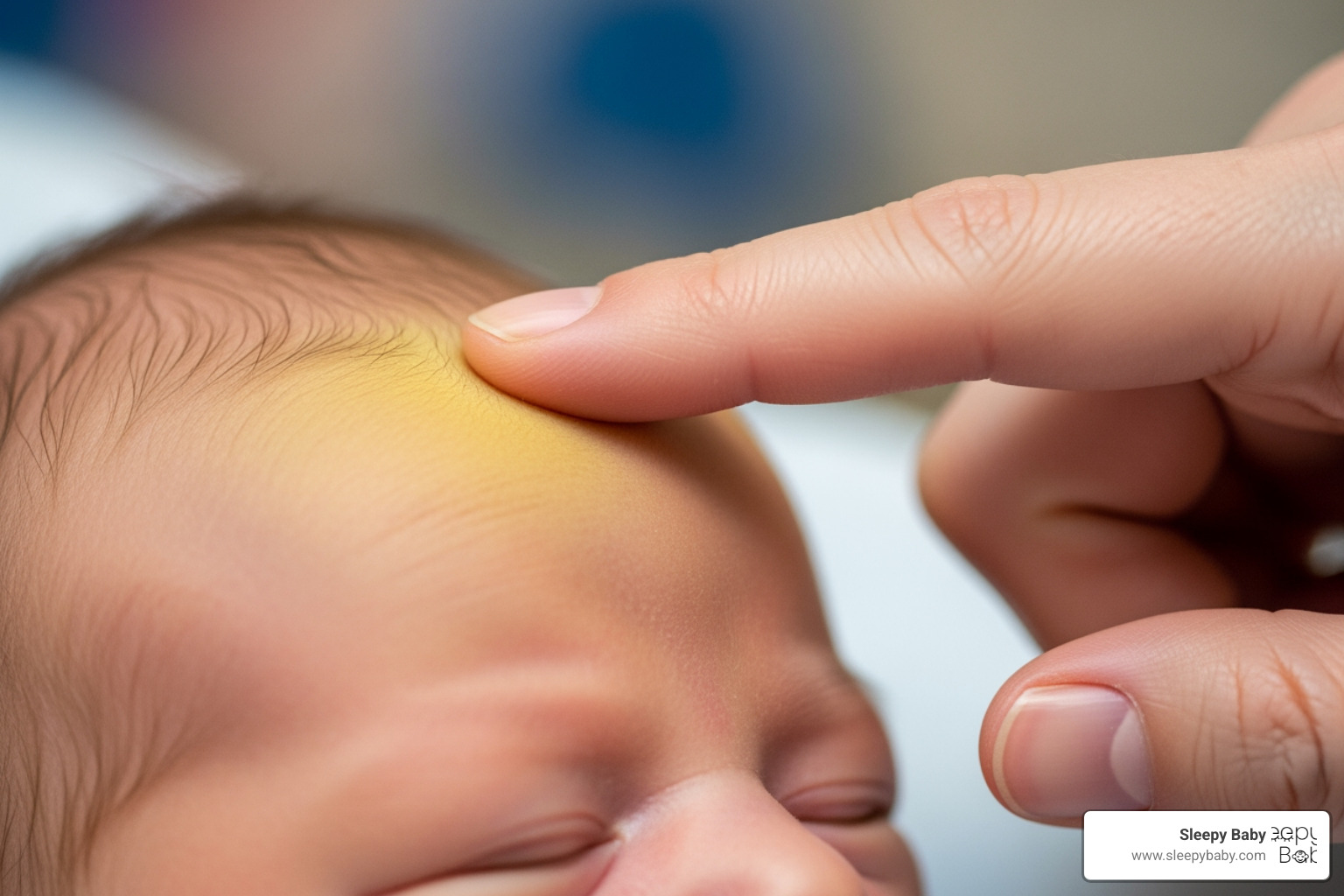
Newborn jaundice is incredibly common and usually a normal part of adjusting to life outside the womb. The yellow discoloration in your baby's skin and eyes is a visible sign of bilirubin building up in their bloodstream.
Jaundice starts with the breakdown of red blood cells, which releases a yellow pigment called bilirubin. An adult liver filters this out, but a newborn's system faces a perfect storm: they produce more bilirubin due to a higher volume and faster breakdown of red blood cells, and their immature liver can't process it quickly enough. This imbalance leads to a buildup in the blood, which deposits in the skin and eyes, causing the yellow appearance of physiological jaundice.
This is why up to 60% of full-term and 80% of premature babies experience jaundice. It typically appears two to four days after birth and fades within a couple of weeks as the liver matures.
The most obvious sign is the yellowing of skin and eyes, which usually starts on the face and moves down the body. To check on darker skin tones, gently press on your baby's forehead or nose; if the spot looks yellow when you lift your finger, jaundice is likely present.
Other signs include:
Knowing the different types helps you understand what's normal and when to be concerned.

Yes, does jaundice make babies sleepy? is a question with a clear answer: absolutely. There is a direct physiological link between high bilirubin levels and increased lethargy in infants.
When bilirubin levels climb, the excess can impact your baby's central nervous system. This is what causes the sleepiness. Babies with high bilirubin become lethargic, drowsy, and difficult to wake for feedings. This isn't just normal newborn sleepiness; it's a profound drowsiness where a baby may seem floppy, have poor muscle tone, and not suck well during feeds.
While high bilirubin is the main cause of lethargy, the science behind jaundice and sleepiness suggests another factor may be at play. The breakdown of red blood cells produces not only bilirubin but also small, natural amounts of carbon monoxide (CO). Researchers believe this endogenous CO might contribute to sleepiness by influencing sleep regulation systems in the brain. This complex chemistry makes your baby extra snoozy just when they need to be awake and feeding.
This connection creates a challenging vicious cycle:
Poor feeding can also cause dehydration, which worsens jaundice. Breaking this cycle with frequent, effective feeding is essential for your baby's recovery. Each successful feed helps lower bilirubin levels and brings back your baby's alertness.
While most newborn jaundice is harmless, severe, untreated cases can lead to kernicterus, a rare but serious form of brain damage. This is why monitoring is so important. With timely treatment, serious complications are preventable. Trust your parental instincts and watch for warning signs.
Contact your healthcare provider immediately or seek emergency help if you notice any of these symptoms. You can find more guidance on when to seek medical help for jaundice.
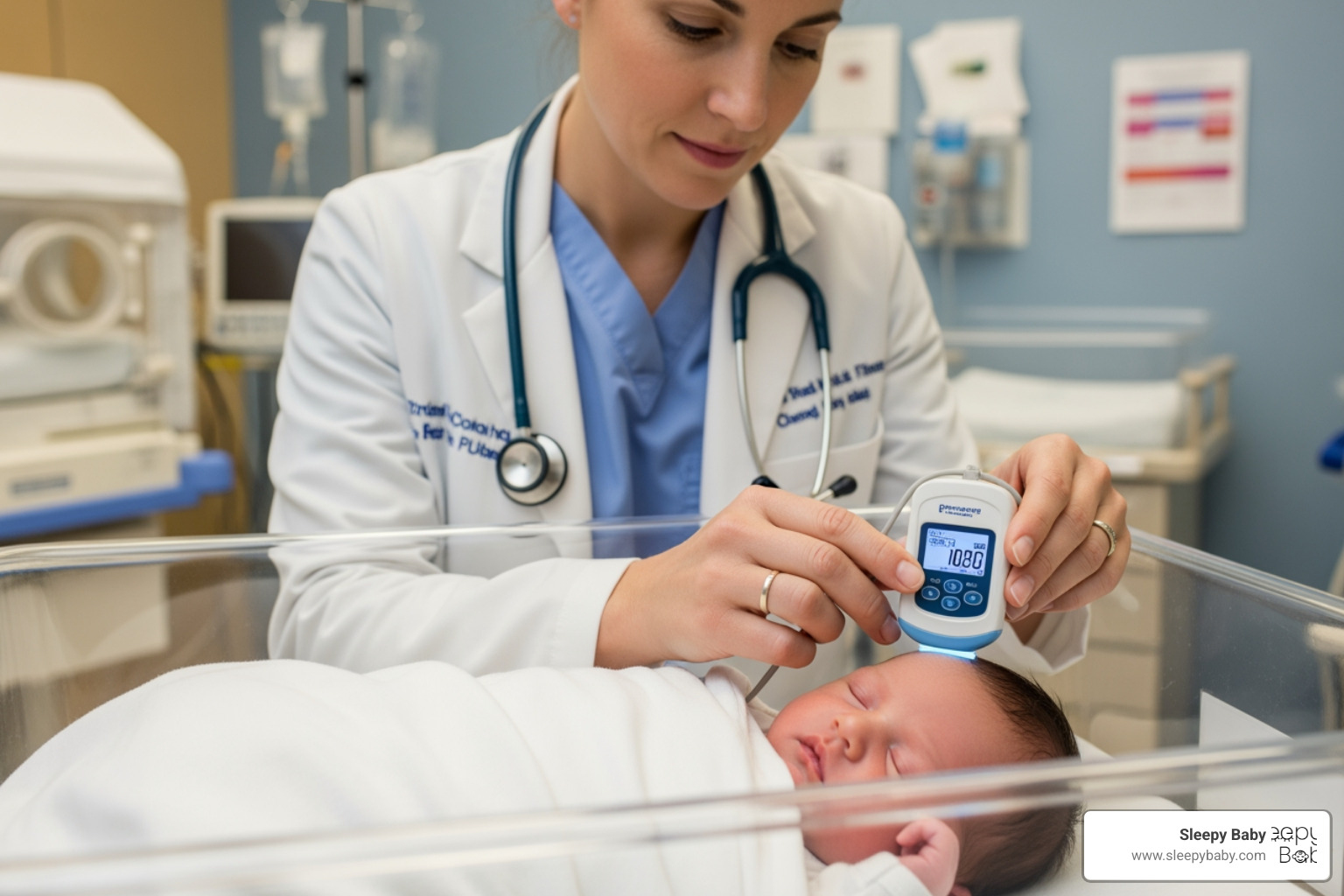
Doctors diagnose jaundice with a physical exam and by measuring bilirubin levels. This may involve:
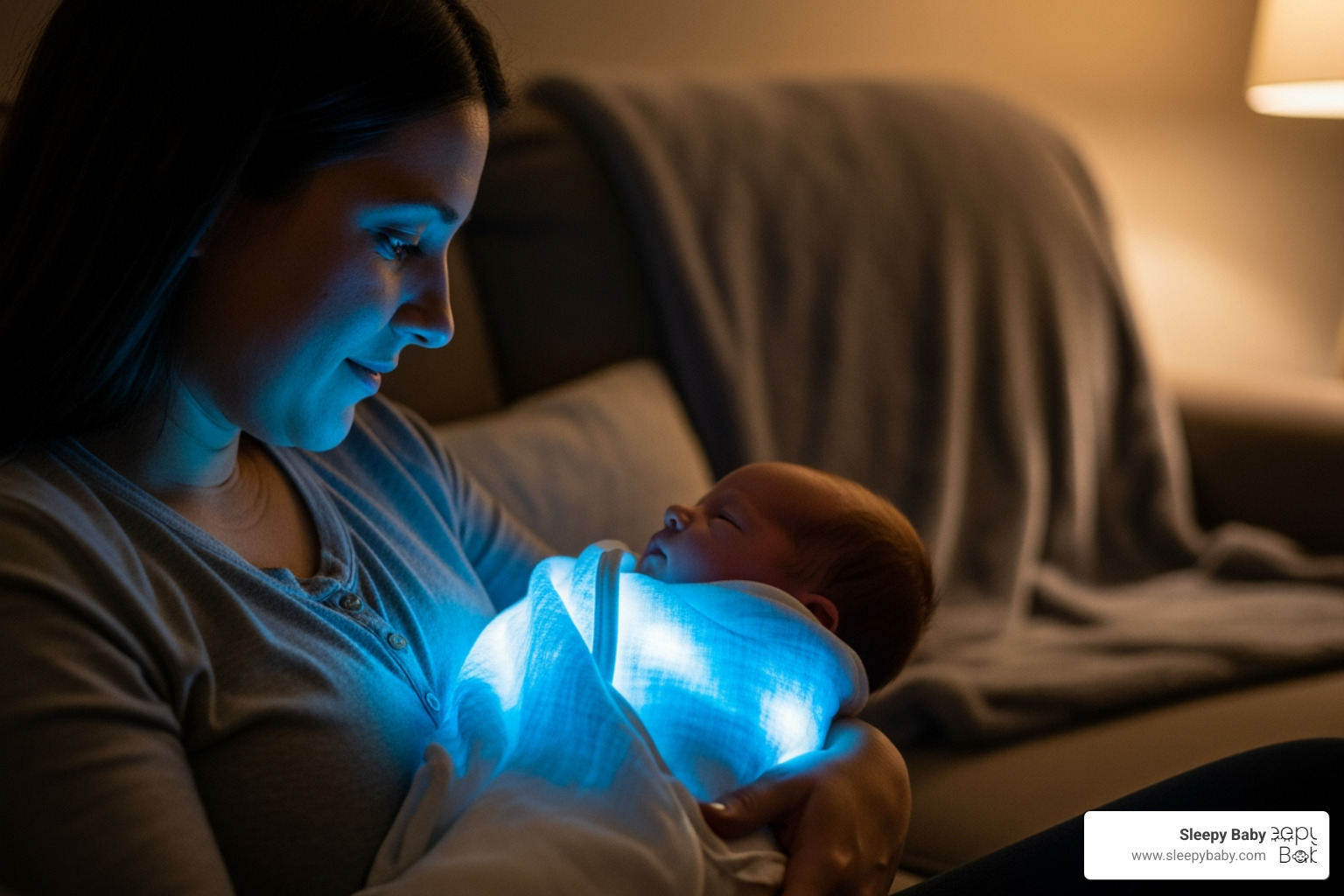
Treatment depends on the severity:
Yes, as treatment lowers bilirubin levels, the excessive sleepiness will lift. During phototherapy, babies often become more alert and interested in feeding as the substance causing their lethargy is eliminated. It's crucial to maintain good hydration during treatment, as this helps flush out the bilirubin and improves alertness. Most parents see a noticeable improvement in their baby's wakefulness within a day or two of starting treatment.
Caring for a sleepy, jaundiced baby is challenging, especially when you know frequent feeding is the key to their recovery. Here are some practical strategies to help you through it.
Frequent feeding is your most powerful tool against jaundice, aiming for 8-12 feedings in 24 hours. To wake a sleepy baby, try these gentle techniques:
If your baby remains extremely difficult to wake or refuses to feed despite your efforts, contact your healthcare provider immediately.
Once jaundice is improving and your baby has fed well, quality sleep is important. A calm environment helps your baby rest between feedings. This is where thoughtful sleep aids can help.
At Sleepy Baby, our rhythmic patting devices are designed to mimic a caregiver's gentle, consistent touch, helping babies feel secure and settle. This repetitive patting is deeply comforting.
Regarding white noise, it's important to choose wisely. While some older machines can be too loud, modern safety-rated devices are designed for infant safety. They present white noise at safe, low-decibel levels. Some innovative designs even deliver sound directly on the baby's chest, providing localized soothing without filling the room with noise.
These tools can help create a serene backdrop for rest. Always use sleep aids that meet current safety standards. Once past the jaundice hurdle, these aids can be valuable allies in establishing healthy sleep patterns.
The sleepiness and lethargy typically decrease as bilirubin levels fall with treatment and frequent feeding. Most babies become noticeably more alert within a few days of starting phototherapy and a consistent feeding schedule, even if the mild yellow tint lingers for a couple of weeks.
No, typical newborn jaundice that is properly managed does not cause long-term sleep issues. The risk of long-term problems comes from severe, untreated jaundice, which can lead to a rare but serious condition called kernicterus. This is why prompt medical attention for concerning symptoms is so important.
Besides being extremely hard to wake, other red flag symptoms include a high-pitched, inconsolable cry, a stiff or floppy body, an arched back, poor feeding, fever, and strange eye movements. If you notice any of these, seek emergency medical help immediately.
So, does jaundice make babies sleepy? Yes, and understanding this connection is key for new parents. High bilirubin levels cause drowsiness, which can interfere with the frequent feeding needed to resolve the jaundice. This creates a challenging cycle, but it's one you can break.
Your most powerful tool is frequent feeding (8-12 times daily), which helps your baby eliminate bilirubin. Monitor your baby closely and trust your instincts. If your baby is extremely hard to wake or shows any other red flag symptoms, contact your healthcare provider immediately. With proper care, most babies recover completely from jaundice with no lasting effects.
As your baby's jaundice resolves, they will become more alert. This is when establishing healthy sleep patterns becomes the next chapter. Thoughtful sleep aids can make a real difference. Modern rhythmic patting devices provide comforting, consistent touch, while safety-rated white noise machines offer calming sound at safe, low-decibel levels—sometimes directly on the chest for localized soothing.
At Sleepy Baby, we know the sleep journey is just beginning. We're here to help you and your little one find those peaceful, golden slumbers.
Learn more about supporting your baby's sleep on our blog.


