


When parents ask how many naps a day 6 month old babies need, the answer is clear: most 6-month-olds thrive on 3 naps per day.
Quick Answer:
At six months, your baby is hitting exciting milestones like sitting up and babbling. These developmental leaps can disrupt sleep, but it's a normal part of their growth. Their sleep patterns are becoming more organized, but they still need significant daytime rest to support their rapid development.
What feels like a sleep regression is often just your baby adjusting to new skills. Understanding their sleep needs is key to creating a routine that works. As a father who steered these challenges, I learned how crucial it is to understand a 6-month-old's nap needs for their well-being. This guide will walk you through everything you need to know, from schedules to common challenges.
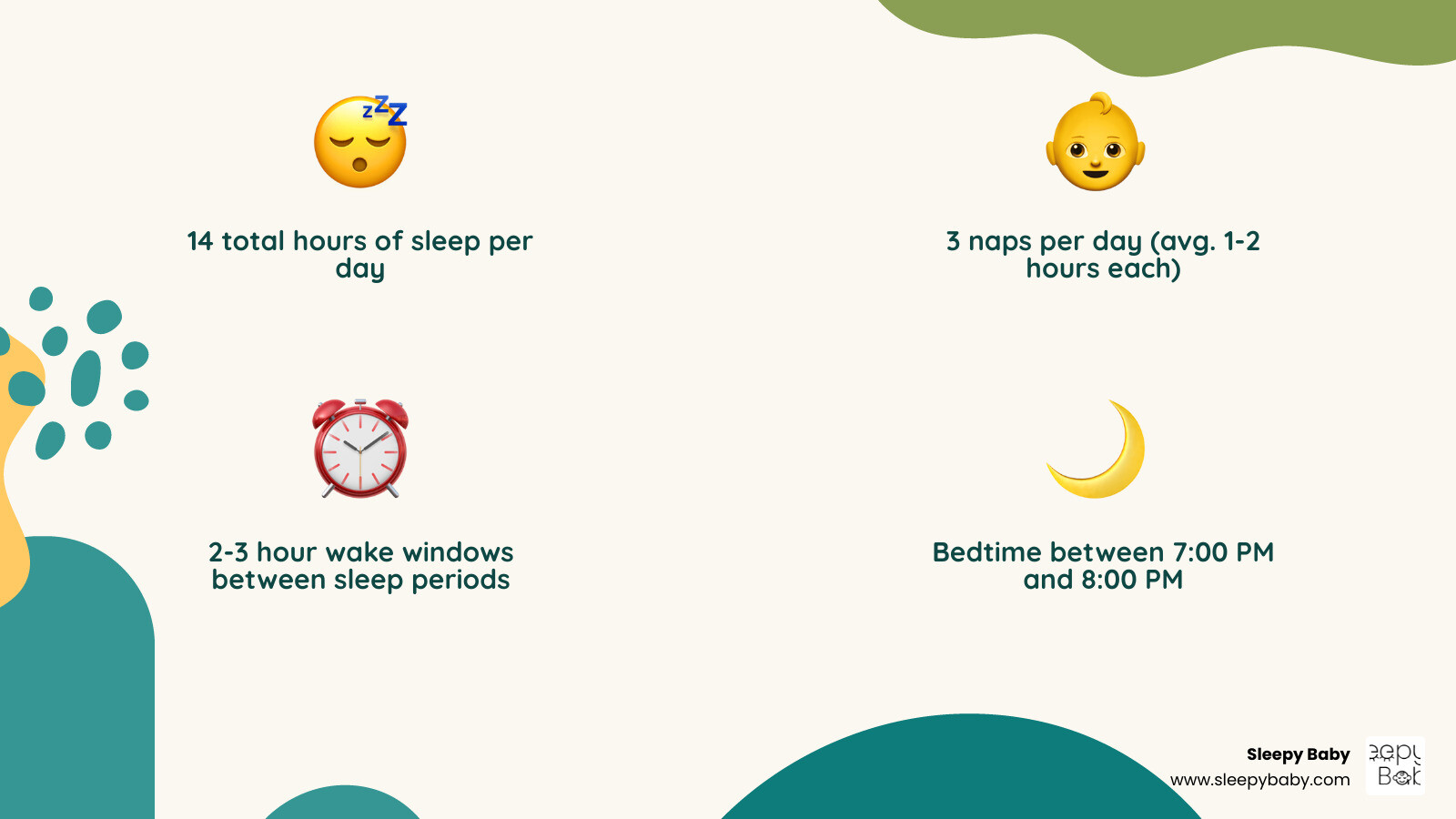
At six months, your baby's rapid development means their sleep needs are changing. While nighttime sleep is a priority, daytime naps are crucial reset buttons for their growing brain and body. The concept of "sleep begets sleep" is key: restorative naps often lead to better, longer stretches of sleep at night. Establishing a consistent routine now builds a strong foundation for healthy sleep habits. For more information on healthy sleep, you can refer to resources from child health organizations.
For most babies at this age, the sweet spot is three naps per day. By six months, your baby is usually ready to consolidate their daytime sleep, dropping the fourth nap they may have taken as a younger infant. A key sign of this transition is fighting that last nap or it pushing bedtime too late.
The third nap is often a short "catnap" of 30 to 45 minutes. This power nap is vital for bridging the gap to bedtime and preventing overtiredness, which can ironically make it harder for them to fall asleep.
For a 6-month-old, the goal is 2.5 to 3.5 hours of daytime sleep, spread across three naps. This balance is important. Too little daytime sleep leads to an overtired baby who struggles to settle at night, while too much can interfere with nighttime sleep. Getting enough quality daytime rest helps regulate their internal clock, making it easier to settle for their next nap and for a solid night's sleep.
While every baby is different, a typical pattern for a 6-month-old's naps is:
We recommend "capping" any single nap at 2 hours. This ensures your baby has enough awake time to build sleep pressure for the next sleep period and helps consolidate nighttime sleep.
Wake windows—the time your baby can comfortably stay awake—are typically 2 to 3 hours for a 6-month-old. These windows gradually lengthen as the day progresses:
While the clock is a helpful guide, always watch for your baby's sleepy cues, such as yawning, eye-rubbing, or fussiness. Responding to these cues helps prevent both overtiredness and undertiredness.
An ideal bedtime for a 6-month-old is between 7:00 PM and 8:00 PM. This timing aligns with their natural circadian rhythm, as their body starts producing the sleep hormone melatonin. An early bedtime is important because babies tend to wake up early regardless. A late bedtime can cut into total nighttime sleep, leading to an overtired baby. During nap transitions, you may need an even earlier bedtime (6:00-6:30 PM) to compensate for less daytime sleep. Light exposure plays a key role in setting these internal clocks, as detailed in studies on circadian rhythm.
Creating a daily routine is about building a flexible framework that follows your baby's natural rhythms. The goal is predictability, which helps your little one feel secure and well-rested. Every baby is different, so the key is following your baby's cues while maintaining consistent patterns. Integrate feeding schedules (usually every 3-4 hours) with a wake-eat-play-sleep cycle, and ensure plenty of active playtime to build healthy sleep pressure for naps.
This is a framework, not a rigid timetable. If your baby wakes at a different time, simply adjust the rest of the day accordingly.
| Time | Activity | Notes |
|---|---|---|
| 7:00 AM | Wake & Feed (Breast/Bottle) | Start the day bright! Open curtains, talk to your baby. |
| 7:00 - 9:00 AM | Wake Window 1: Play & Solids | Engage in active play, tummy time, introduce solids (if cleared by pediatrician). Watch for sleepy cues around 8:45 AM. |
| 9:00 AM | Nap 1 | Aim for a long, restorative nap (1.5-2 hours). Ensure a dark, quiet environment. |
| 11:00 AM | Wake & Feed (Breast/Bottle) | Awake and refreshed! |
| 11:00 AM - 1:00 PM | Wake Window 2: Play & Outing | More active play, perhaps a stroller walk or errands. Keep an eye on sleepy cues around 12:45 PM. |
| 1:00 PM | Nap 2 | Another good nap (1.5-2 hours). This nap is crucial for avoiding overtiredness later. |
| 3:00 PM | Wake & Feed (Breast/Bottle) | Re-energize for the last wake window before the catnap. |
| 3:00 - 4:00 PM | Wake Window 3: Quiet Play/Stroller | Lighter play, perhaps a short stroller ride for the catnap. Watch for sleepy cues around 3:45 PM. |
| 4:00 PM | Nap 3 (Catnap) | This short nap (30-45 minutes) is vital to bridge the gap to bedtime. If it's a fight, a motion nap (stroller, carrier) is fine. |
| 4:45 PM | Wake & Feed (Breast/Bottle) | Last big feed before bedtime routine begins. |
| 4:45 - 7:00/7:30 PM | Wake Window 4: Dinner & Bedtime Routine | Wind-down period. Offer dinner (solids), then begin bath, pajamas, books, lullabies. Keep stimulation low. |
| 7:00/7:30 PM | Bedtime | Aim for baby to be asleep by this time. The exact time depends on the length of the last wake window and how well the catnap went. |
| Overnight | Night Sleep | A 6-month-old typically sleeps 10-12 hours at night, possibly with one or no night feedings depending on individual needs and pediatrician's advice. |
Some 6-month-olds, especially closer to 7 months, show signs of being ready for two naps. This often happens when they consistently fight the third nap or start waking early in the morning. During this transition, wake windows lengthen to 2.5-3.5 hours. With only two naps, you'll likely need to pull bedtime earlier (sometimes 6:00-6:30 PM) to prevent overtiredness.
This transition can take several weeks. Be patient and adjust the routine based on your baby's cues. Gradually lengthen wake windows by about 15 minutes at a time until your baby settles into a comfortable two-nap schedule.
Around six months, many parents notice sleep patterns shifting. This is often a normal part of your baby's growth. The key during these times is patience and consistency.
What feels like a sleep regression at six months is better described as a developmental leap. Your baby isn't regressing; they're progressing! They are busy mastering new skills like rolling, sitting up, and babbling. This increased brain activity and physical practice can make it hard for them to switch off and sleep.
Other factors like teething and separation anxiety can also disrupt sleep. These disruptions are usually temporary, lasting a few weeks. The best approach is to stick to your routine and provide plenty of time for them to practice new skills during awake periods.
Short naps (30-45 minutes) can be frustrating. If your 6-month-old is still taking them consistently, here are a few common reasons:
Addressing these factors can often help lengthen naps.
The transition from three to two naps typically happens between 6.5 and 8 months. It's a sign their sleep needs are maturing and they can handle longer wake windows.
Key signs your baby is ready to drop the third nap include:
This transition can take a few weeks. Be flexible and prepared to move bedtime earlier (e.g., 6:00-6:30 PM) to prevent overtiredness as they adjust.
Setting the stage for successful sleep is as important as the schedule itself. A consistent, soothing sleep environment and bedtime routine signal to your baby that it's time to rest, fostering positive habits and paving the way for independent sleep.
A great sleep environment can significantly improve nap quality. Focus on these key elements:
Innovations like devices that offer rhythmic tapping can also be incredibly helpful. They mimic a caregiver's comforting touch, a gentle, consistent motion that can help babies fall asleep and stay asleep independently. This offers a fantastic hands-free solution for continuous comfort.
Always follow safe sleep practices: place your baby on their back in a clear crib with a firm mattress and fitted sheet. Transition from a swaddle to a sleep sack once they can roll over.
Yes, 6 months is generally a good age to start sleep training, if you choose to. At this age, most babies are developmentally ready to learn independent sleep skills and may no longer need night feedings (always check with your pediatrician).
Sleep training is about gently guiding your baby to self-soothe and fall asleep on their own. It's a personal decision, but it can significantly improve rest for the whole family. Various methods exist, from gradual approaches like the Ferber method to more direct ones. Research suggests sleep training is effective and safe for most families. The best time to start is when your family feels ready and can be consistent. If you have concerns, consult your pediatrician.
As parents steer their 6-month-old's sleep, questions naturally arise. Here are answers to some of the most common concerns.
Daycare naps can differ from your home routine. Communication is key. Share your baby's wake windows and sleepy cues with caregivers. While they must manage a group, this information helps them provide better care. Focus on what you can control: maintain a consistent routine at home, especially on weekends. If daycare naps are short, you may need an earlier bedtime on those days to prevent overtiredness. Babies are adaptable and most adjust well to different environments.
Yes, sometimes it's necessary to wake a sleeping baby. Capping naps at 2 hours helps preserve the balance between daytime and nighttime sleep. A nap that's too long, especially late in the day, can push bedtime too late and interfere with night sleep. Protecting bedtime is crucial, so waking your baby can help ensure they have built up enough sleep pressure for a good night's rest.
Fighting the third nap is a classic sign that your baby is getting ready to transition from three naps to two. It means their wake windows are lengthening and they aren't tired enough for that late-afternoon catnap.
First, try a motion nap in a stroller or car, which can sometimes help. If that doesn't work, don't force it. Instead, opt for an earlier bedtime. If the 4:00 PM nap is skipped, moving bedtime to 6:00 or 6:30 PM can prevent an overtired baby. This phase is temporary, and the transition to two naps often leads to better, more consolidated sleep overall.

Navigating your 6-month-old's sleep, you now know that three naps are typically the sweet spot, supported by the right wake windows and routines. The key takeaway is that consistency is your superpower—a gentle, predictable rhythm helps your baby feel secure and ready for rest.
Good daytime sleep leads to better nighttime sleep, and challenges like sleep regressions are temporary. Every baby is different, so be patient with your child and yourself. Those tough days don't define your success as a parent.
We understand how much a well-rested baby means to a family. Our rhythmic tapping devices are designed to support this journey, mimicking your comforting touch to help your baby learn to self-soothe and sleep independently. While some white noise machines can be unsafe, modern, safety-rated devices offer white noise at safe, low-decibel levels for added comfort. These tools can provide the security that builds confidence in independent sleep, meaning better rest for your baby and more peace of mind for you.
You're not just teaching your baby to sleep; you're building a foundation for healthy habits that will last a lifetime. You're doing an amazing job.
Find more tips on our blog.


