


When your baby cries during diaper change, it can feel overwhelming and confusing. Here are the most common reasons and quick solutions:
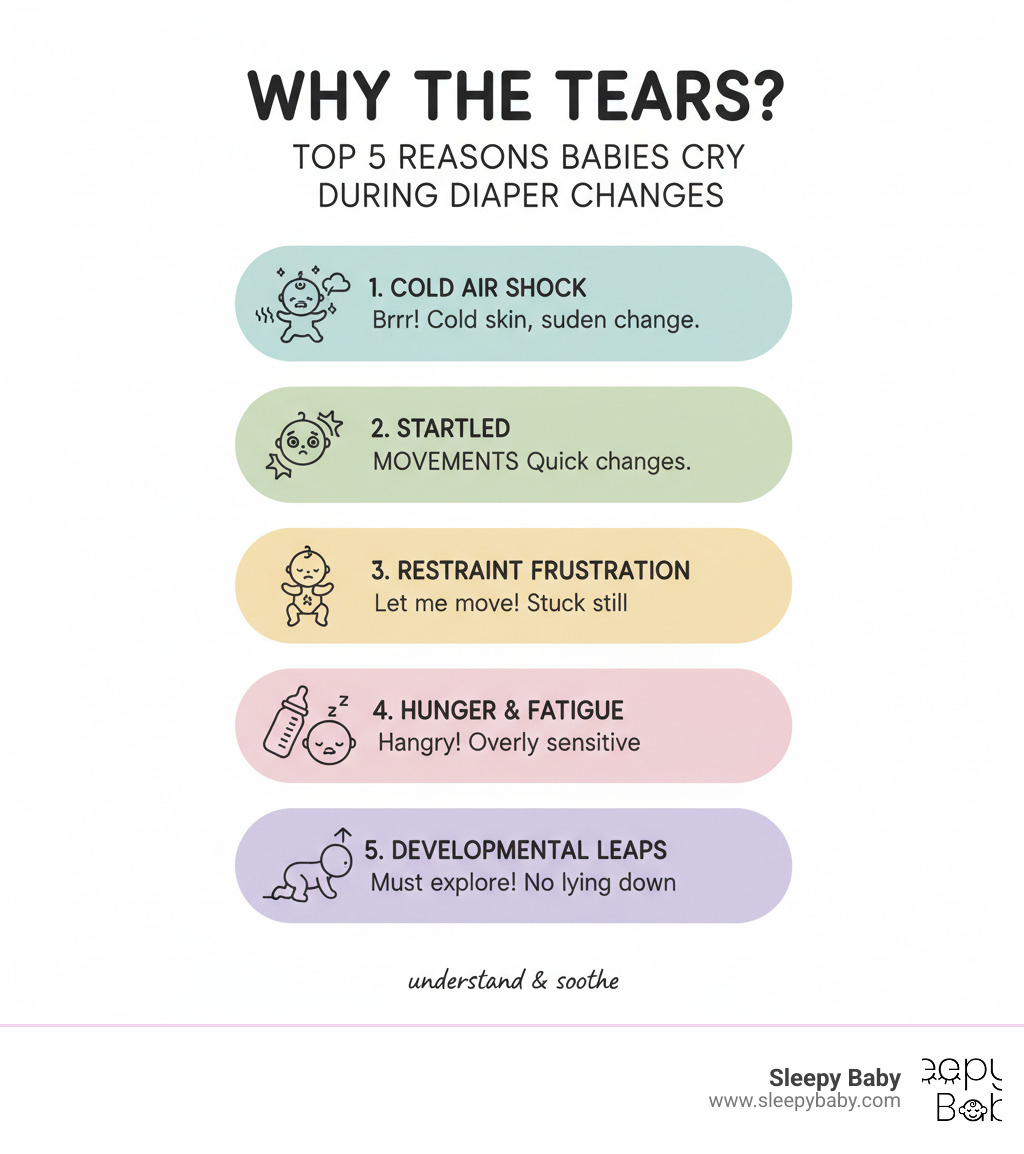
Top Reasons Babies Cry During Diaper Changes:
You're not alone in this struggle. Research shows that most babies seem to dread the infamous diaper change, and newborns commonly feel uncomfortable during this routine. As one parent shared in online forums: "My son is almost 1 month old and since coming home from the hospital he throws a fit with every diaper change."
The good news? This phase is temporary. Understanding why it happens is your first step toward making diaper time calmer for both of you.
As Gary Harutyunyan, a father who experienced sleepless nights with my own baby, I know how challenging it can be when your baby cries during diaper change and disrupts your entire routine. My experience creating solutions for fussy babies has taught me that simple changes in approach can transform these difficult moments into opportunities for connection.
Baby cries during diaper change further reading:
When your baby cries during diaper change, this phase is usually temporary. Babies haven't mastered the art of polite conversation yet, so crying is their primary way of telling you something's not quite right. Whether it's physical discomfort, an unmet need, or simply their way of saying "Hey, I was perfectly happy where I was, thank you very much!" - understanding what's behind those tears is your first step toward smoother diaper changes.
Think of crying as your baby's early communication system. They're not trying to make your life difficult (even though it might feel that way at 3 AM). They're just letting you know that something in their little world needs attention.
Picture this: you're cozy under your warm blankets when someone suddenly pulls them off and hits you with a blast of cold air. Not fun, right? That's essentially what happens to your baby during diaper changes. The cold air on their skin can be quite a shock, especially on their sensitive bottom area.
Then comes the dreaded cold wipe - imagine having an ice-cold cloth wiped across your skin when you're already feeling exposed and vulnerable. No wonder babies aren't fans! The sudden temperature changes from warm and snug to cold and exposed can trigger tears faster than you can say "fresh diaper."
For newborns especially, this sensory experience can be overwhelming. They've spent nine months in a perfectly temperature-controlled environment, and suddenly they're dealing with air currents, bright lights, and all sorts of new sensations. Their little nervous systems are still figuring out how to process all this input.
Some babies are more sensitive than others to these experiences. If your little one seems particularly bothered by the sensory aspects of diaper changes, don't worry - there are gentle ways to make the experience more comfortable. For additional strategies on soothing sensitive babies, you can find helpful information at calming a fussy baby.
Sometimes when your baby cries during diaper change, the tears aren't really about the diaper at all. Hunger pangs can make any interruption feel unbearable - imagine being really hungry and having someone interrupt your path to the kitchen for a "quick" task. Overtiredness works the same way; when babies are sleepy, their patience for anything that delays sleep time is practically nonexistent.
Timing is everything with diaper changes. Some parents swear by changing before feeding, reasoning that a baby with a full belly might spit up when lying flat. Others find that changing after feeding works better because their baby is content and drowsy. There's no one-size-fits-all answer - you'll need to experiment to find what works for your little one.
Newborns also have that startle reflex that can kick in during position changes. One moment they're lying peacefully, the next they're being lifted and moved, and their little arms fly out in that classic startle response. Gas or digestive discomfort can also make lying flat particularly unpleasant.
Pay attention to whether your baby seems to be in actual pain during changes. If crying is accompanied by signs of distress when you move their legs, or if they seem inconsolable long after the change is over, it might be worth discussing with your pediatrician.
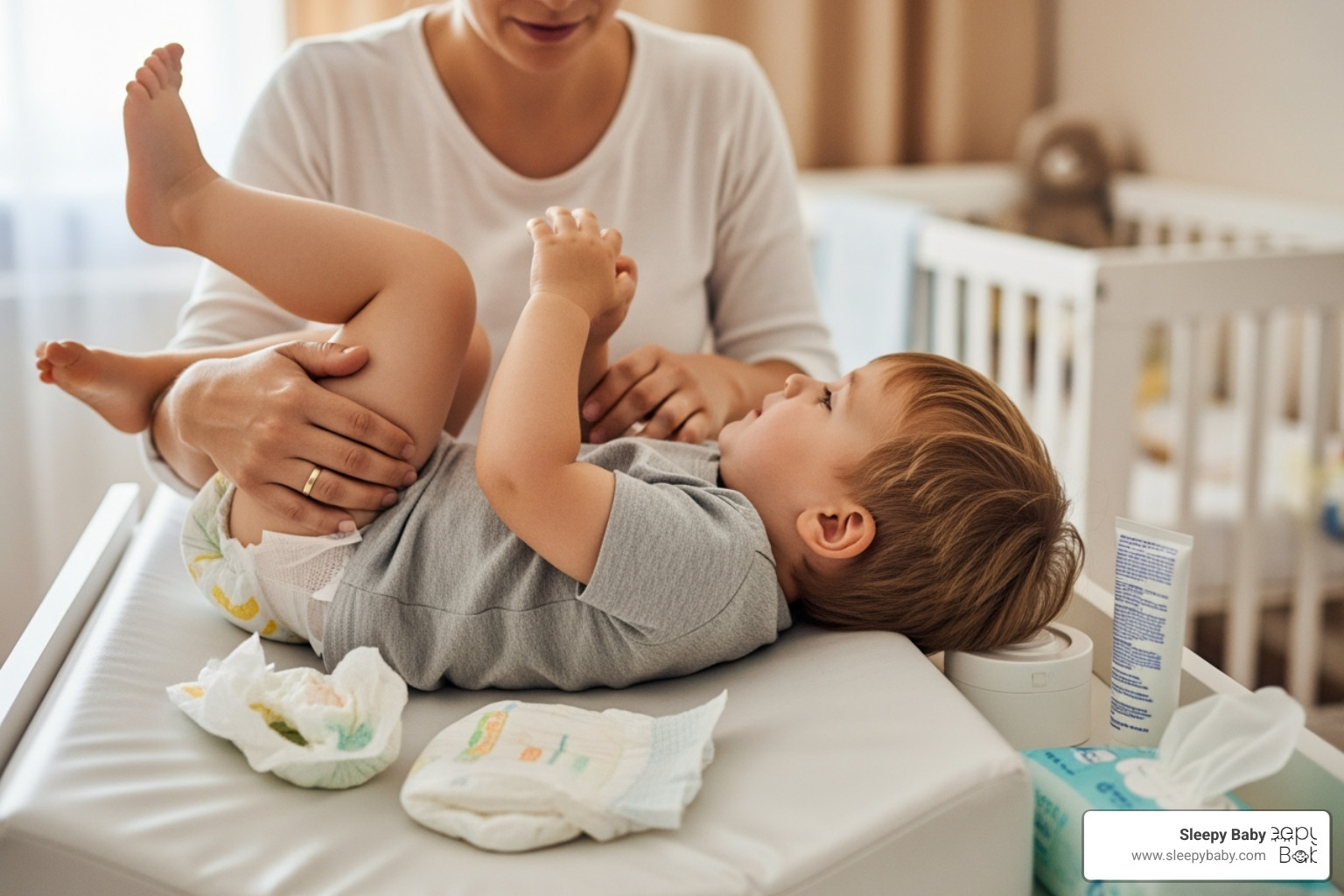
As your baby grows, their reasons for protesting diaper changes evolve too. What starts as simple sensory discomfort can transform into a full-blown battle of independence. Your baby is finding they have a will of their own, and lying still for diaper changes? Well, that's just not on their agenda.
Desire for independence kicks in earlier than you might expect. Babies want to move, explore, and practice their new skills - not lie on their backs while you fuss with tabs and wipes. As they learn to roll, they'll want to demonstrate this amazing new ability right there on the changing table. When they figure out how to pull themselves up to standing, they'll try to do it every chance they get.
This frustration at being held down is completely normal, even if it makes diaper changes feel like wrestling a very small, very determined octopus. Your baby isn't being difficult on purpose - they're just excited about their growing abilities and can't understand why you keep interrupting their important developmental work.
Here are the age-specific challenges you can expect: Newborn startle reflex and sensitivity to sudden movements dominate the early weeks. Around 4-6 months, the rolling phase begins, and suddenly your baby becomes a tiny escape artist. By 9-12 months, their desire to stand and cruise means they see the changing table as just another jungle gym to conquer.
These developmental leaps are exciting milestones, even when they make your daily routines more challenging. When your baby cries during diaper change due to their growing independence, it's actually a sign that their development is right on track!
The good news is that understanding why your baby cries during diaper change puts you halfway to solving the problem. With the right approach, you can transform this daily challenge into something much more manageable – maybe even enjoyable! It's all about creating a positive routine that makes the experience comfortable for your little one. Think of it as turning a necessary chore into a special bonding moment between you and your baby.
The secret ingredient? Consistency. When your baby knows what to expect, they're much more likely to cooperate. Even small changes in how you approach diaper time can make a surprisingly big difference in reducing those tears.
Here's a truth every parent learns the hard way: the moment you realize you forgot something during a diaper change is exactly when your baby will decide to have a meltdown. Preparation is absolutely everything when dealing with a fussy baby.
Start by creating a well-organized diaper caddy with everything within arm's reach. We're talking fresh diapers, wipes, cream, and a change of clothes all in one spot. No more hopping around the room while holding a squirming baby! Take it one step further by pre-opening the new diaper and laying it out before you even start. Those precious seconds you save can be the difference between a calm change and a crying fest.
Now let's talk about those dreaded cold sensations. Warming wipes in your hands for just a few seconds before using them can work absolute magic. If you find yourself doing lots of diaper changes, a wipe warmer might be worth the investment. Don't forget to ensure the room is a comfortable temperature – nobody likes being naked in a chilly room!
Pro tip: Keep a soft, warm blanket nearby to drape over your baby's chest during the change. It helps them feel secure and cozy instead of exposed and vulnerable. For more comprehensive guidance on the basics, check out these tips for changing diapers.
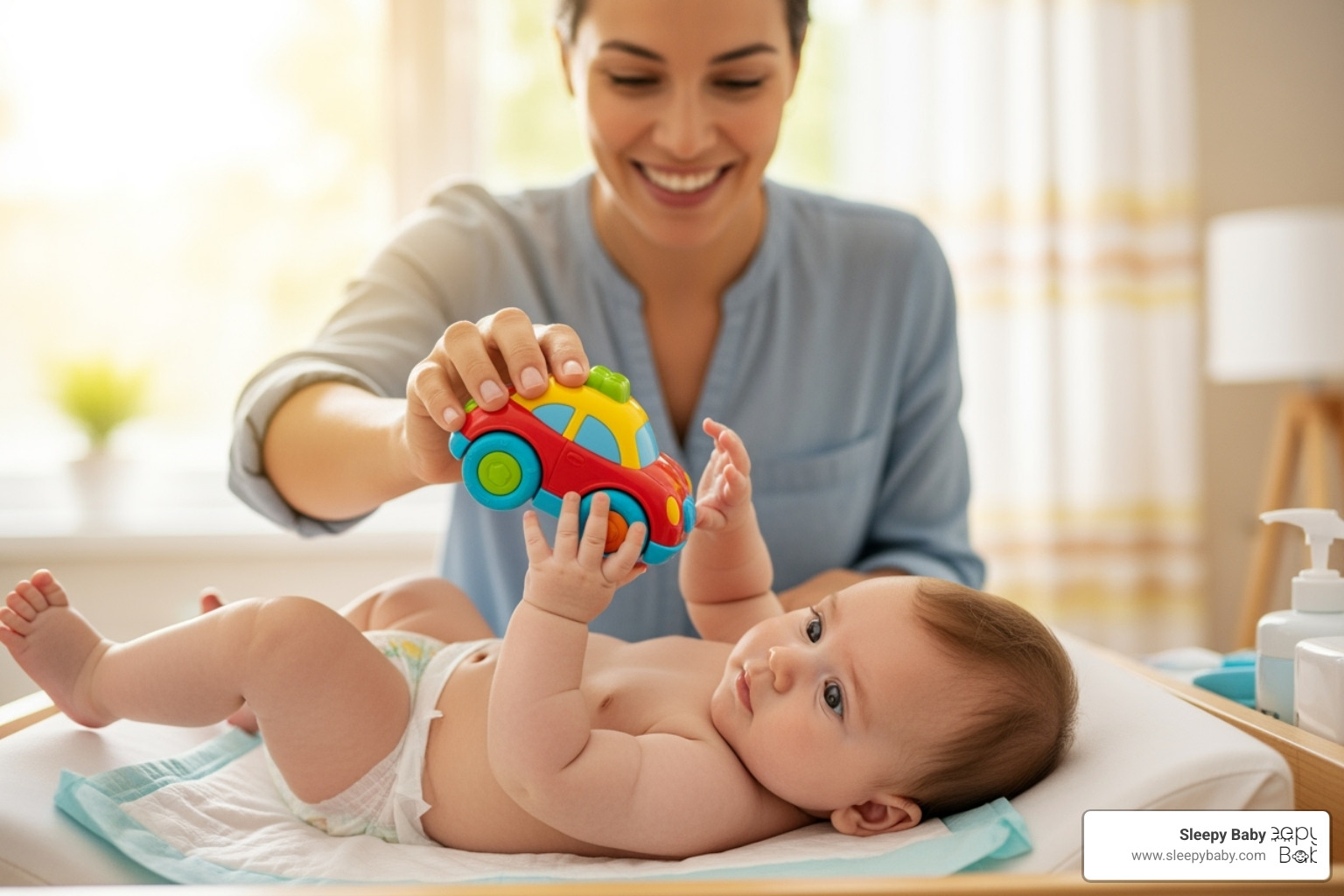
When your baby cries during diaper change, distraction becomes your superpower. Babies have wonderfully short attention spans, which actually works in your favor here. The key is having something interesting enough to capture their focus and redirect it away from any discomfort they're feeling.
Special diaper-time-only toys are absolute game-changers. Reserve a few colorful, noisy, or textured toys exclusively for diaper changes. Because they only see these toys during diaper time, they stay novel and exciting. Think rattles, crinkly toys, or anything that lights up and makes interesting sounds.
But you don't need fancy toys to be entertaining! Singing songs in a silly voice, making funny faces, or even using the fresh diaper as an impromptu puppet can work wonders. One creative parent we know gives each diaper a different "personality" and has conversations with them – their baby finds it hilarious every time.
If you have space above your changing table, a mobile can provide perfect visual distraction. Just make sure it's securely mounted and out of reach of grabby little hands. The goal is to make diaper time feel less like a medical procedure and more like playtime. For even more creative distraction techniques, these helpful tips and tricks for distraction are worth exploring.
Here's something that might surprise you: your energy affects your baby more than any toy or technique. When your baby cries during diaper change, it's natural to feel stressed or rushed. But babies are incredibly good at picking up on our emotions, so maintaining a calm and confident demeanor is one of the most powerful tools you have.
Take a deep breath and approach each diaper change with patience. Use a soft, soothing voice throughout the entire process – even when things get messy or your baby is particularly wiggly. Try explaining the steps as you go: "Now we're cleaning you up, and next comes the fresh diaper!" This helps build trust and gives your baby a sense of what's happening.
Maintaining eye contact whenever possible creates connection and reassurance. Your face is your baby's favorite thing to look at, after all! Combine this with gentle, reassuring touches – maybe a soft stroke on their arm or a gentle pat on their belly. Even when they're fussing, that consistent, loving contact reminds them they're safe with you.
Diaper changing doesn't have to be a race against time. It can actually become a special ritual for bonding and communication, helping you learn your baby's unique cues and preferences. For more insights on understanding and responding to your baby's communication, visit responding to your baby's cries.
When basic preparation and distraction aren't enough, don't lose hope. Sometimes your baby cries during diaper change despite your best efforts, and that's when it's time to bring out the bigger tools. Creating a multi-sensory soothing environment can make all the difference, especially as you adapt to your baby's growing and changing needs.
The key is understanding that some babies need more sensory support than others. What works for one child might not work for another, and that's perfectly normal. These advanced strategies give you more options in your toolkit for those particularly challenging diaper changes.
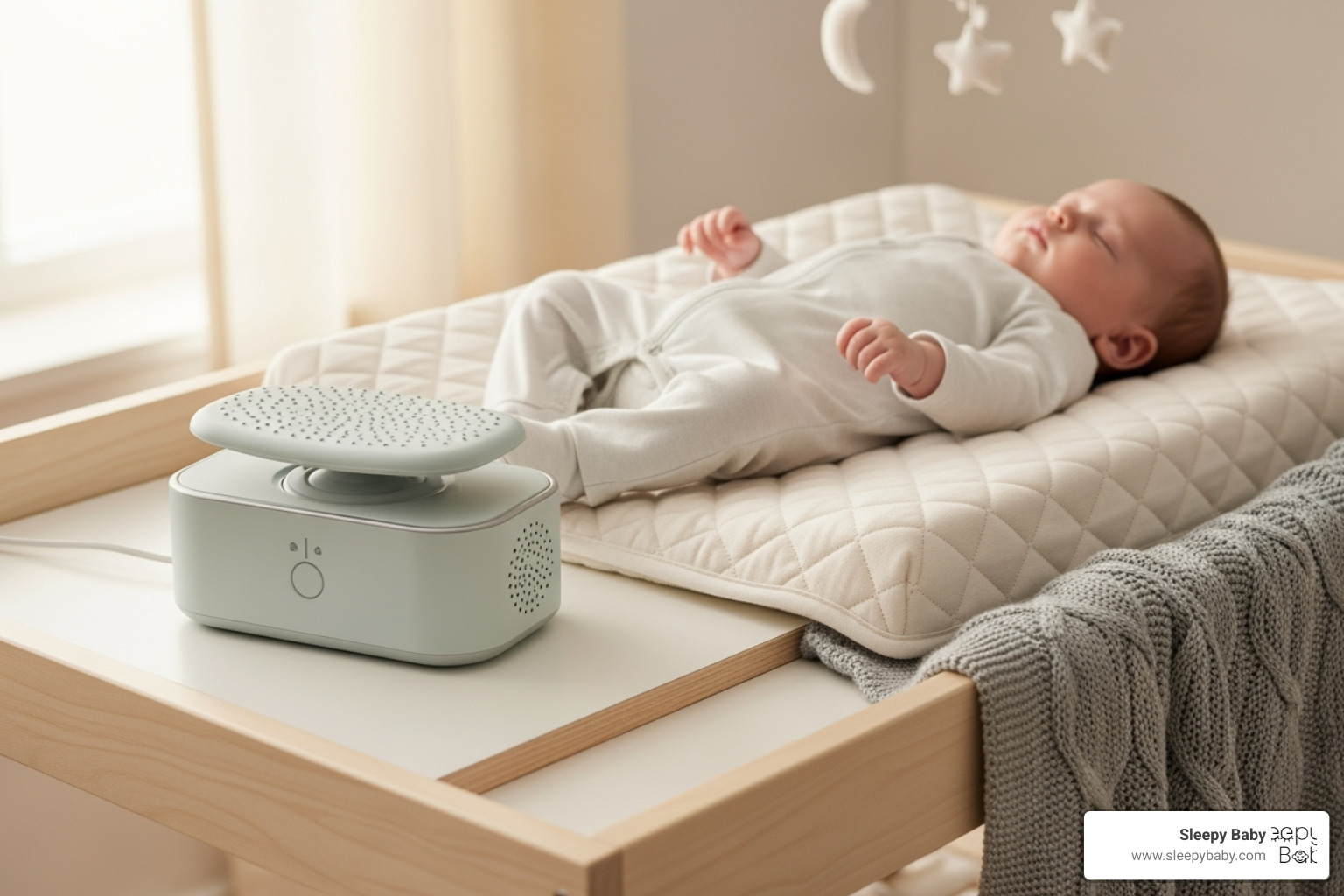
Sound and touch work together beautifully to create a calming atmosphere. Using a white noise machine can mask those startling sounds that often trigger tears - the crinkle of a fresh diaper, the snap of fasteners, or even your movements around the changing area. While some traditional white noise machines can be unsafe if placed too close or played too loudly, modern safety-rated devices present white noise at safe, low-decibel levels, sometimes designed to be placed directly on the baby's chest or nearby.
But here's where it gets really interesting: rhythmic tapping devices that mimic a caregiver's comforting touch can be absolute game-changers. Think about it - when your baby is fussing, what do you naturally do? You pat their back or chest in a gentle, rhythmic motion. These devices replicate that exact sensation, giving you hands-free soothing while you focus on the diaper change itself.
At Sleepy Baby, we've seen how powerful this combination can be. Our portable sleep aids offer both the gentle white noise and that consistent, rhythmic patting that babies find so comforting. When your baby cries during diaper change, having this consistent source of comfort can transform the entire experience. You can place it on their chest or nearby, and suddenly they have that secure feeling of being held and soothed, even while you're busy with the practical task at hand.
Sometimes the solution is as simple as changing your approach - literally. The traditional flat-on-the-back position isn't the only way to change a diaper, and as your baby develops, it might not be the best way either.
Standing diaper changes work wonderfully for toddlers who've found the joy of mobility. If it's just a wet diaper, let them stand up! Pull-up style diapers make this even easier, and many children are much more cooperative when they don't feel trapped on their backs. This approach honors their growing independence while still getting the job done.
For babies who hate the height and confinement of a changing table, try using a changing pad on the floor. It's safer - no risk of rolling off - and many babies feel more secure closer to the ground. This position also gives them a bit more freedom to move their arms and legs, which can reduce that feeling of being restrained.
The "lap change" method is perfect for quick changes or when your baby just needs extra closeness. Simply position them across your lap, either facing away or sideways, and handle the change from there. This maintains that important physical connection and can be much less intimidating than a big changing table. It's also incredibly handy when you're out and about or don't have access to a proper changing station.
Flexibility is your friend. What matters most is finding an approach that works for both you and your baby, even if it looks different from the textbook method.
Most of the time, when your baby cries during diaper change, it's simply their way of communicating that something doesn't feel quite right. This crying is completely normal and expected. However, as loving parents, we sometimes need to distinguish between regular fussiness and signs that something more serious might be happening.
Trust your parental instincts - they're usually spot on. You know your little one better than anyone else, and if something feels different or concerning, it's always worth investigating further.
Learning to read your baby's cries takes time, but there are clear differences between normal protest crying and cries that signal actual pain or discomfort.
When your baby cries during diaper change due to normal fussiness, you'll typically notice that the crying starts when the change begins and stops shortly after it's completed. This type of crying is really more of a protest - they're telling you they don't like being cold, exposed, or held still. You can usually soothe them with your voice, a favorite toy, or gentle touch. Once they're clean, dry, and dressed again, they return to their happy, content selves.
Pain-related crying sounds and looks quite different. It's often high-pitched and inconsolable, no matter what soothing techniques you try. Your baby might arch their back, tense their entire body, or pull their legs up toward their chest. This type of crying typically persists long after the diaper change is finished, and your usual comfort methods don't seem to help.
Pay attention to whether specific movements trigger intense reactions. If lifting their legs or wiping certain areas causes sudden, sharp crying, this could indicate a problem that needs medical attention.
While most diaper change tears are nothing to worry about, certain warning signs should prompt a call to your pediatrician. Severe, blistering diaper rash is one clear red flag - while mild redness is common, blisters, open sores, or rapidly spreading rash can be very painful and might indicate an infection.
Watch for crying when legs are moved during changes, as this could signal hip problems or other musculoskeletal issues that need evaluation. Signs of a UTI are also concerning - these include fever, poor feeding, unusually strong-smelling urine, or visible straining during urination.
Fever or lethargy combined with diaper change distress could indicate a more serious illness. If your baby seems unusually sleepy, unresponsive, or just "not themselves," trust that instinct and reach out to your healthcare provider.
Perhaps most importantly, inconsolable crying that persists long after the change deserves attention, especially if there's no obvious cause. This extended distress could indicate colic, reflux, or other underlying conditions that can be managed with proper medical guidance.
Any sudden, significant changes in behavior - especially if your previously cooperative baby suddenly becomes distressed during every diaper change - should be discussed with your pediatrician. Sometimes these behavioral shifts can signal developing issues that are easier to address when caught early.
You're not being overly cautious by seeking professional advice when something feels off. Healthcare providers would much rather reassure concerned parents than miss something important. For more comprehensive information about understanding your baby's different types of cries, understanding why babies cry offers valuable insights from pediatric experts.
When your baby cries during diaper change, it can feel like you're failing at one of parenting's most basic tasks. But here's the truth: you're not alone, and you're definitely not failing. We've walked through the journey together, from understanding why those tears happen to finding practical solutions that actually work.
The mystery behind the crying often comes down to simple things – that shock of cold air on warm skin, the startle of sudden movements, or your little one's growing desire to explore the world instead of lying still. Preparation and distraction are powerful tools in your parenting toolkit. Having everything within arm's reach, warming those wipes in your hands, and keeping a few special toys just for diaper time can transform these moments from battles into bonding opportunities.
Soothing voice we talked about? That gentle narration of what you're doing? These aren't just techniques – they're the building blocks of trust between you and your baby. Even when they're wiggling like little alligators trying to escape, your calm presence and loving touch are making a difference.
This challenging phase will pass. That fussy newborn who startles at every movement will grow into a curious baby who might actually enjoy the silly songs you sing during changes. The toddler who insists on standing diaper changes today will eventually cooperate (most of the time, anyway).
What matters most is focusing on connection and comfort during these everyday moments. Each diaper change is a chance to show your baby that you're there, that you understand their needs, and that they're safe with you. Even the tears and struggles are part of building that unbreakable bond.
Find how Sleepy Baby can help soothe your baby during diaper changes and beyond – because sometimes we all need a little extra support in creating those peaceful moments our babies (and we) desperately need.


