


Gripe water for teething is a common search for parents watching their little ones suffer. But does this herbal supplement work for teething, or is it just expensive sugar water?
Quick Answer for Gripe Water and Teething:
When your baby starts teething around 4-6 months, the pain from tiny teeth pushing through tender gums can lead to drooling, irritability, and sleepless nights.
Many parents turn to gripe water, a remedy dating back to the 1850s with soothing-sounding herbs like ginger and fennel. In fact, up to 64% of mothers in some studies have tried it to calm fussy babies.
However, gripe water was created for colic and digestive issues, not teething pain. While some brands market it for teething, the science doesn't back these claims.
I'm Gary Harutyunyan, and as a father who's steerd teething, I understand the desperation for a solution. Through my work developing safe soothing products, I've learned that gripe water for teething often disappoints parents seeking evidence-based relief.

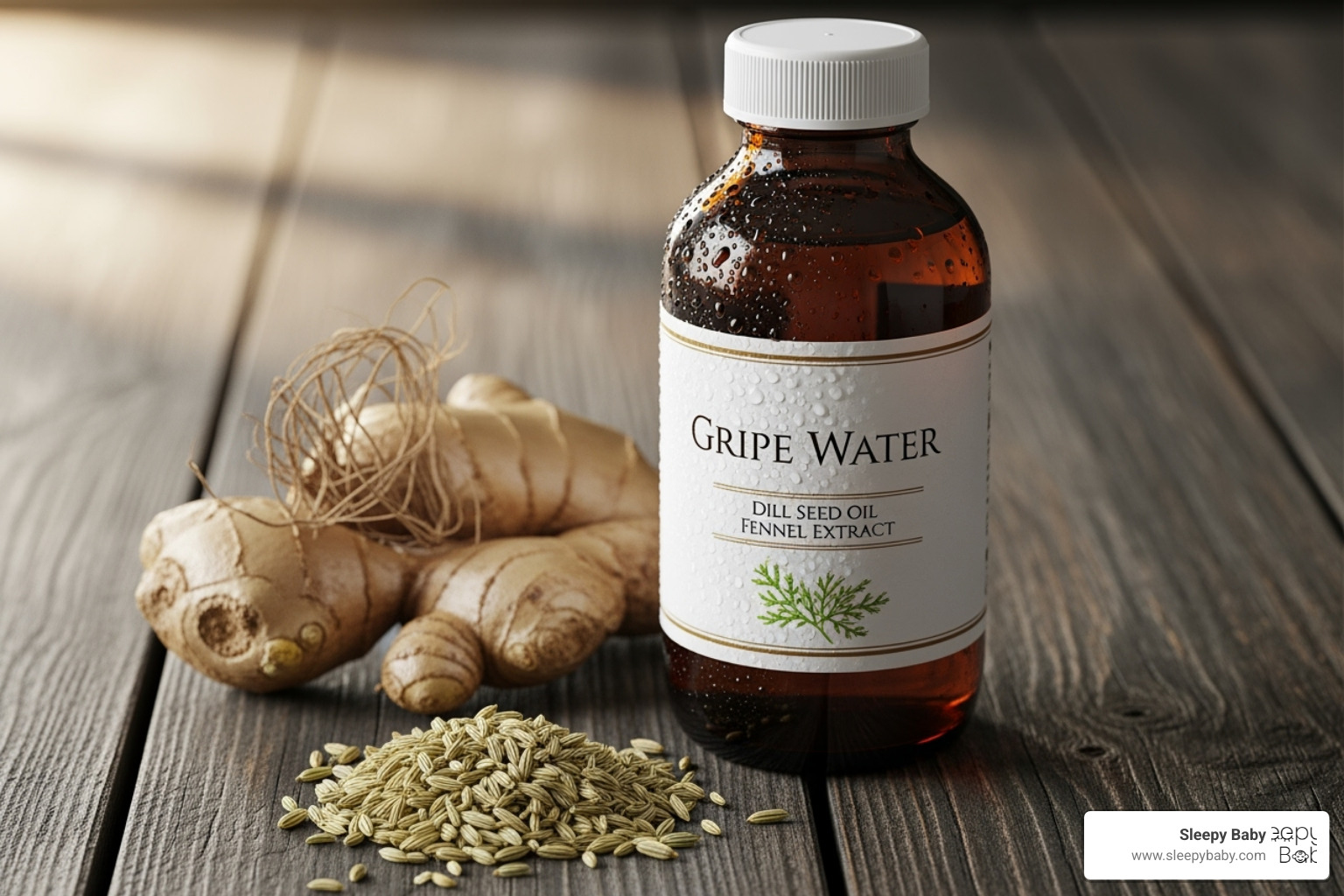
Before giving your baby gripe water for teething, it’s important to know what’s inside. The original 1850s formula contained alcohol. Today's versions are mostly alcohol-free, but the FDA still classifies gripe water as an unregulated dietary supplement. This means it doesn't undergo the same rigorous testing as medication, so ingredients can vary widely between brands, and some have been recalled for safety issues.
Modern gripe water typically contains water and herbal extracts like fennel for gas, ginger for digestion, chamomile for calming, and dill for tummy troubles. Some formulas also add sodium bicarbonate (baking soda), sweeteners like sugar or agave, and flavorings.
Let's break down what these ingredients are supposed to do.
The main ingredients are herbal extracts. Fennel and ginger are traditionally used to reduce gas and relax intestinal muscles. Chamomile is added for its calming reputation. Other herbs like dill, licorice, and lemon balm also appear, all promising digestive harmony.
However, some ingredients are tricky. Sodium bicarbonate is used as an antacid, but experts worry it can disrupt a baby's natural pH balance and cause problems in large doses.
Sweeteners like sugar or agave are added for taste. But excess sugar can lead to tooth decay—ironic when treating teething—and may create a preference for sweet solutions for comfort.
The truth is, gripe water for teething wasn't designed for that purpose. It's marketed for digestive issues like colic, infant gas, and hiccups. Colic affects up to 28% of babies, causing those mysterious evening crying spells.
The connection to teething is indirect. Teething babies produce extra saliva, and swallowing it can sometimes cause an upset stomach or gas. If gripe water helps with that, it might offer some relief, but it doesn't target the actual gum pain.
When you use gripe water for teething, you're using a digestive aid for dental pain. It's like using a band-aid for a headache—it might feel like you're doing something, but it's not addressing the root cause.
Here's the question that keeps exhausted parents up at night: does gripe water for teething actually work?
The honest answer is complicated, and science doesn't support it for teething relief. There are no robust clinical trials proving gripe water soothes teething pain. As a dietary supplement, it doesn't undergo the rigorous testing that medications do, which is why most pediatricians are skeptical.
Yet, many parents swear by it. This disconnect often points to the placebo effect—for parents. When we believe we're helping our baby, our stress drops, and a calm parent often leads to a calmer baby, regardless of the remedy's effectiveness.
A study involving mothers in India highlights this gap. Researchers found that 64 percent of mothers gave their babies gripe water, but most infants who received it continued to cry excessively.
Most pediatricians agree: it probably won't hurt, but it probably won't help much either. They encourage evidence-based methods first—those that actually target teething pain.
Despite the shaky science, here are some claimed benefits of gripe water for teething:
Before using gripe water, consider these potential risks:
The FDA has issued warnings about homeopathic teething products containing dangerous ingredients like belladonna. While most gripe waters aren't in this category, it's a reminder that "natural" doesn't always mean "safe."
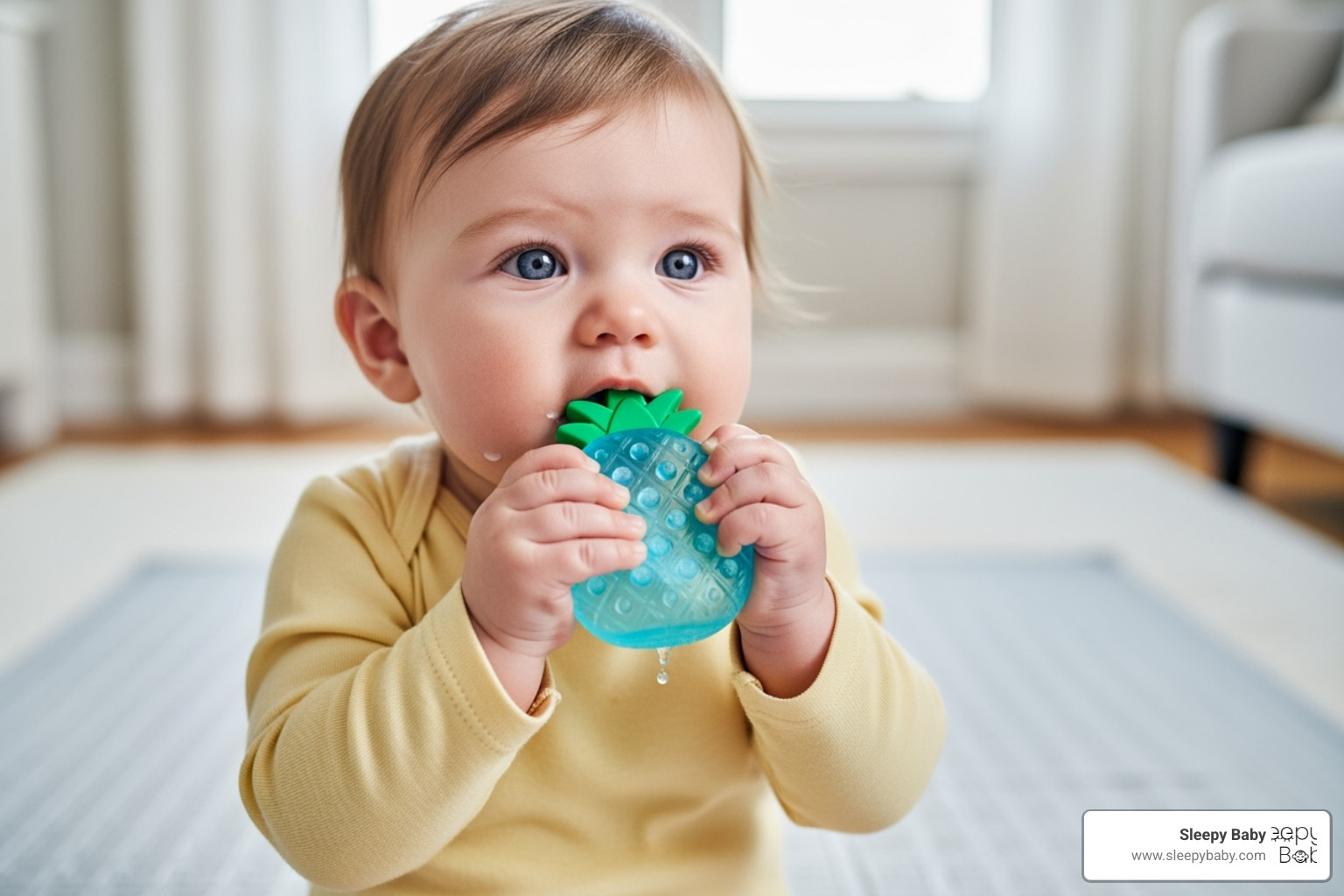
When you're considering gripe water for teething, know that there are safer, more effective alternatives that pediatricians recommend. These methods are evidence-based and don't carry the same uncertainties as unregulated supplements.
Always consult your pediatrician first to confirm the issue is teething and get personalized advice. The difference between gripe water and modern solutions is striking:
| Feature | Gripe Water (for Teething) | Sleepy Baby Soothing Solutions |
|---|---|---|
| How It Works | Herbal extracts for digestive comfort, indirect soothing | Mimics caregiver's comforting touch (rhythmic patting), gentle white noise |
| Scientific Backing | Limited anecdotal evidence for teething | Based on proven infant soothing principles |
| Safety Profile | Potential for unsafe ingredients, allergic reactions | Designed with safety standards, no ingested substances |
| Teething Relief | Indirect (only if related to gas/tummy upset) | Provides comfort and distraction from discomfort |
| Ease of Use | Can be challenging with fussy baby | Hands-free, promotes self-soothing |
Simple solutions are often the most effective:
Technology offers incredible tools for soothing teething babies. At Sleepy Baby, we've seen how the right device can transform difficult teething nights.
Rhythmic tapping devices mimic the gentle, consistent pat you'd give your baby, distracting them from discomfort and helping them settle. It's like having an extra pair of hands when you're exhausted.
Safe white noise machines create a calming auditory environment. While some machines can be unsafe due to high volume, modern safety-rated devices provide white noise at safe, low-decibel levels. Some can even be placed on your baby's chest, where gentle vibrations add another layer of comfort without risking their hearing. These tools help babies sleep, even when teething pain strikes. You can learn more in our guide From Fret to Peace: How Baby Soothing Devices Help.
For severe pain, your pediatrician might recommend infant pain relievers like acetaminophen or ibuprofen (for babies over 6 months). Always follow your doctor's dosage instructions.
Crucially, avoid benzocaine-containing products and homeopathic teething tablets with belladonna. The FDA has issued strong warnings about both due to serious health risks.
It can be hard to know if what you're seeing is normal teething or something more serious. Most teething symptoms are normal: crankiness, swollen gums, drooling, a teething rash around the mouth, and a slightly raised temperature (below 101°F).
However, teething should not cause significant illness. If your baby seems genuinely sick, it's likely something else. Here are the red flags that warrant a call to your pediatrician:
Trust your instincts. You know your baby best. If something feels off, don't hesitate to make that call. You can find more detailed guidance on Signs that require a doctor's visit to feel more confident.
If you and your pediatrician decide to try gripe water, safe administration is crucial.
For more tips, see our guide on Tips for giving gripe water.
Navigating the gripe water aisle can be overwhelming. Here’s how to make the safest choice possible:
Even the highest-quality gripe water for teething is an unproven remedy. Sometimes the best choice is to stick with evidence-based soothing methods instead.
Watching your baby suffer through teething is heartbreaking. The desperate search for relief often leads parents to gripe water for teething, which is completely understandable.
However, science doesn't support gripe water as an effective teething remedy. Its benefits are largely anecdotal, likely due to a placebo effect where a calmer parent helps soothe the baby. It was designed for colic and gas, not teething pain.
More importantly, safety is a concern. As an unregulated supplement, gripe water ingredients vary, and some have contained harmful substances like alcohol, sugar, or sodium bicarbonate.
Safer, more effective alternatives exist. Simple methods like a chilled teething toy, a gentle gum massage, or extra cuddles provide direct, risk-free relief by targeting the source of the pain.
At Sleepy Baby, we create solutions that work with your baby's natural soothing needs. Our portable sleep aids use rhythmic tapping devices to mimic your comforting pat, providing consistent touch to distract from discomfort. Combined with safe white noise at low-decibel levels, these devices promote the independent sleep your family needs.
Unlike some potentially unsafe white noise machines, our safety-rated devices are engineered to soothe without risking your baby's hearing. Some can even be placed on your baby's chest, where gentle vibrations improve the calming experience.
The choice is yours. We hope this guide empowers you to prioritize pediatrician-approved methods backed by evidence, not just hope. Sometimes the simplest, safest approaches are exactly what your teething baby needs.
Your little one's safety and comfort are what matter most. Whether you're in our home base in the United States or anywhere else we serve around the world, we're here to support you through those challenging teething days and nights.


